If you are getting ready to sell a Downtown Dallas condo, here is the hard truth: buyers will usually see your home online before they ever step inside. In a market shaped by walkability, skyline views, dining, arts, and urban convenience, your condo needs to look polished from the very first click. The good news is that the right prep can help your home stand out, attract stronger interest, and support a smoother launch. Let’s dive in.
Why condo prep matters now
Downtown Dallas offers a lifestyle that is easy to picture and easy to market. Downtown Dallas, Inc. describes the area as highly walkable, with a walk score of 95, access to DART and the McKinney Avenue Trolley, and a downtown core that can be crossed on foot in about 30 minutes. That means buyers are often shopping for more than square footage alone. They are also comparing convenience, views, and daily lifestyle.
The broader market also gives sellers a reason to prepare carefully. In 2022, Texas condo inventory was very tight, but by Q3 2025 the Dallas-Fort Worth-Arlington market had shifted to 10.0 months of inventory and 121 days on market. When buyers have more options, you cannot rely on scarcity alone. Presentation, pricing, and a strong first impression matter more.
Start with the online first impression
Most buyers begin their search online, and many find the home they eventually buy there. Research from NAR says 52% of buyers found the home they purchased online, and 81% rated listing photos as the most useful feature in their search. That makes your launch plan just as important as your showing plan.
The first few days on the market can shape how much attention your listing gets. If your condo goes live before it is fully ready, weak photos and unfinished prep can cost you saves, shares, and showing requests. In a competitive Downtown Dallas condo market, that early momentum matters.
Declutter for smaller condo spaces
Condos often live smaller than single-family homes, even when the layout is efficient. Cameras also make clutter look worse, which is why a room that feels fine in person can look cramped in photos. One of the smartest things you can do before listing is edit the space.
A simple rule works well here: remove anything that interrupts flow or makes the room feel busy. NAR photo guidance recommends paring down furniture, and in many condos that means removing one or two pieces from each room. The goal is not to make your home feel empty. The goal is to make it feel open, bright, and easy to understand.
Focus first on the rooms buyers notice most:
- Living area
- Primary bedroom
- Kitchen and dining zone
- Balcony or terrace
- Parking and storage areas
If you are selling a Downtown Dallas townhome, add these spaces to your list as well:
- Entry area
- Stair runs
- Garage
- Private outdoor space
Clean until the home feels photo-ready
A clean home always matters, but it matters even more when your property will be judged on a phone screen. Smudges on stainless steel, dusty baseboards, streaky glass, and crowded countertops all show up in listing photos. Buyers may not mention those details out loud, but they shape how well the home presents.
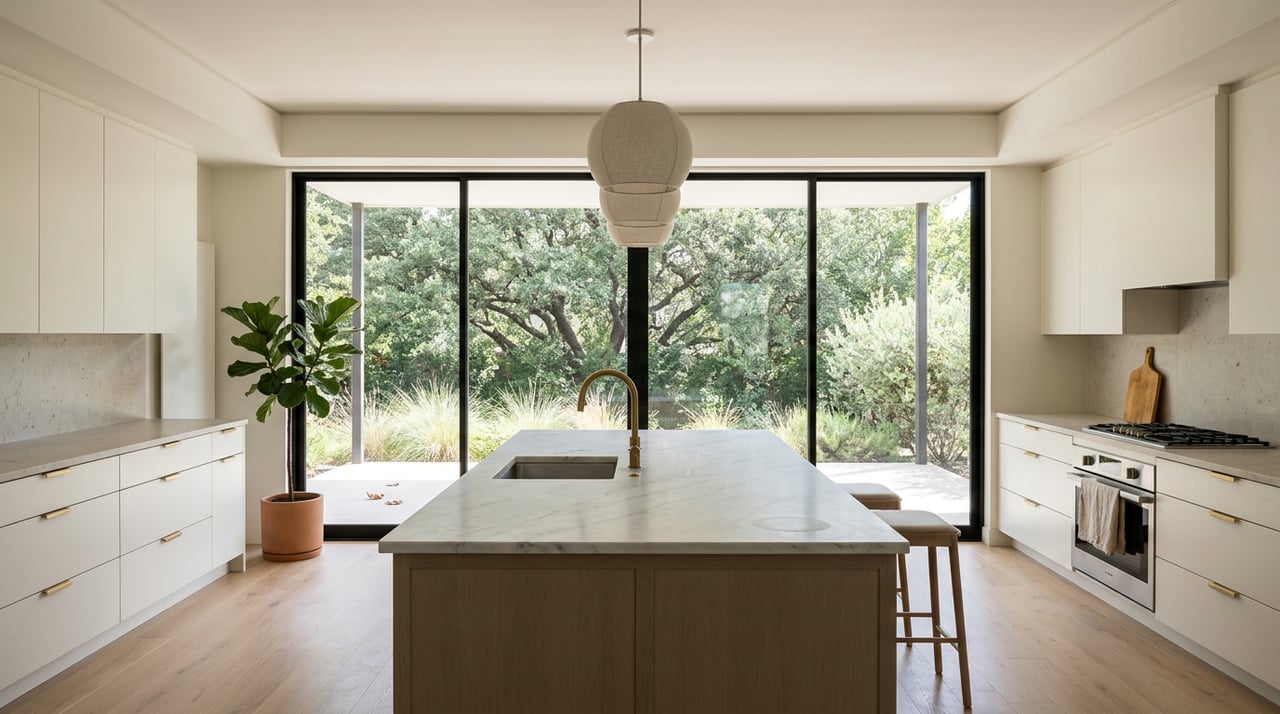
Before photography, aim for a spotless finish rather than a quick tidy-up. Open blinds to bring in natural light, clear kitchen and bathroom counters, and make sure floors, windows, and mirrors are clean. In a Downtown Dallas condo, daylight and clean sightlines can make the entire space feel more elevated.
Stage the rooms that drive interest
Many sellers wonder if staging is worth it for a condo. The short answer is yes, especially when buyers are comparing several similar homes online. NAR’s 2025 Profile of Home Staging found that 83% of buyers’ agents said staging made it easier for buyers to visualize a property as a future home.
The most commonly staged spaces were the living room, primary bedroom, and dining room. That lines up well with condo selling strategy, because those are the spaces that often carry the listing visually. If your budget or time is limited, start there.
Staging does not need to be elaborate. In fact, simple staging is often more effective in a condo because it keeps the home from feeling crowded. A clean sofa layout, scaled furniture, fresh bedding, a few neutral accents, and clear surfaces can go a long way.
Highlight the Downtown Dallas lifestyle
Your condo is not just a unit. It is part of a downtown lifestyle that many buyers specifically want. Downtown Dallas is known for walkability, transit access, dining, arts, parks, entertainment, and city-view experiences, so your marketing should reflect that context.
That does not mean overloading the listing with generic buzzwords. It means making sure the home itself supports the lifestyle story. A bright living area, a clean balcony, visible windows, and tidy storage or parking features help buyers connect the condo to the ease of downtown living.
For many Downtown Dallas listings, the strongest visual selling points include:
- Natural light
- Skyline or city views
- Clean lines and open sightlines
- Functional kitchen and dining spaces
- Balcony or terrace usability
- Convenient parking or storage
Plan photography before you list
Professional photography and video are not optional extras in this market. They are central to how buyers decide whether to schedule a showing. Since 81% of buyers say listing photos are the most useful online feature, photos should be treated as a major part of your sale strategy, not the final item on a checklist.
Before the shoot, take a few practice phone photos of each room. This can help you spot awkward angles, visible cords, bulky furniture, or clutter you stopped noticing. NAR specifically recommends practice photos because the camera often catches distractions that the eye overlooks.
When the final photos are taken, prioritize:
- Bright, high-resolution images
- Strong lead photos
- Daylight shots when possible
- Clear window areas and views
- Honest images that reflect true scale and layout
If your condo is vacant, virtual staging may help buyers picture the space. It should be used carefully and transparently, without changing the actual condition, size, or layout of the home.
Gather condo documents early
Selling a condo in Texas involves paperwork that is different from other property types. TREC publishes a Residential Condominium Contract for resale transactions and a separate Condominium Resale Certificate form. That matters because condo and townhome transactions are not always handled the same way.
One of the most important steps is requesting the resale certificate early. Under Texas Property Code Chapter 82, the condo association generally has 10 days after a written request to furnish the signed certificate. That document can include transfer fees, budget information, managing agent contact information, and whether any right of first refusal applies.
Waiting too long to request these items can slow down your timeline just when buyer interest is building. It is also important to confirm that you are using the current TREC forms, including the current Seller’s Disclosure Notice. A strong listing launch is not just about photos and staging. It is also about having the paperwork lined up.
Build a pre-listing checklist
If you want a smoother sale, prep your condo in the right order. Instead of listing first and fixing issues later, aim to be fully launch-ready before the home hits the market.
A practical checklist looks like this:
- Declutter each room and remove oversized furniture.
- Deep clean the condo, including windows and reflective surfaces.
- Stage the living room, primary bedroom, and dining area first.
- Refresh the balcony, terrace, parking, and storage spaces.
- Take practice photos to catch visual distractions.
- Schedule professional photography and video.
- Request the condo resale certificate and key association documents.
- Confirm current Texas disclosure and contract forms with your agent.
- Launch only when the condo is fully photo-ready.
Timing matters, but readiness matters more
You may be wondering when to list. National timing guidance points to mid-April as a strong selling window, but local conditions still matter. More importantly, the best launch date is the one that comes after your condo is truly ready.
A rushed listing can undercut the value of a great property. In Downtown Dallas, where buyers are often comparing multiple urban listings side by side, complete prep gives you a better chance to make the right impression from day one. If you take the time to declutter, stage, photograph, and organize documents before launch, you put yourself in a stronger position.
Selling a condo in Downtown Dallas is part presentation, part planning, and part market strategy. When your home is clean, well-edited, accurately priced, and fully prepared for both digital marketing and transaction paperwork, you give buyers a clearer reason to say yes. If you are thinking about selling and want expert guidance on how to position your condo for today’s market, connect with Tony Nuncio for a consultation.
FAQs
Do I need staging to sell a Downtown Dallas condo?
- Staging is often worth it because NAR found that 83% of buyers’ agents said it helps buyers visualize a property as a future home, especially in key rooms like the living room and primary bedroom.
How important are listing photos for a Downtown Dallas condo sale?
- Listing photos are extremely important because NAR reports that 81% of buyers rated photos as the most useful feature in their online home search.
What condo documents should I request before listing in Texas?
- Start with the condominium resale certificate and related association records, since Texas law generally gives the association 10 days after a written request to provide the signed certificate.
When should I list my Downtown Dallas condo for sale?
- Mid-April can be a strong seasonal benchmark, but the better strategy is to list only after your condo is decluttered, staged, photographed, and fully prepared with the needed paperwork.
What areas of a Downtown Dallas condo should I prepare first?
- Focus first on the living area, primary bedroom, kitchen-dining space, balcony or terrace, and any parking or storage features because those spaces often shape buyer perception most strongly.