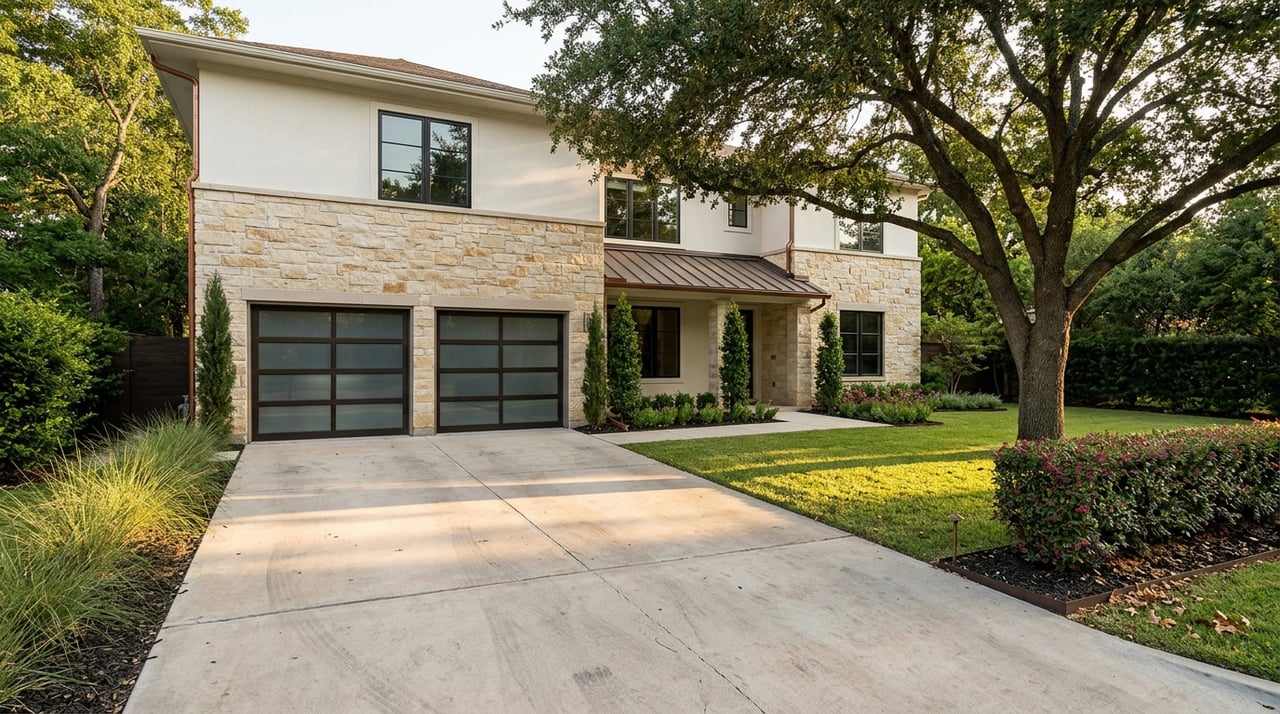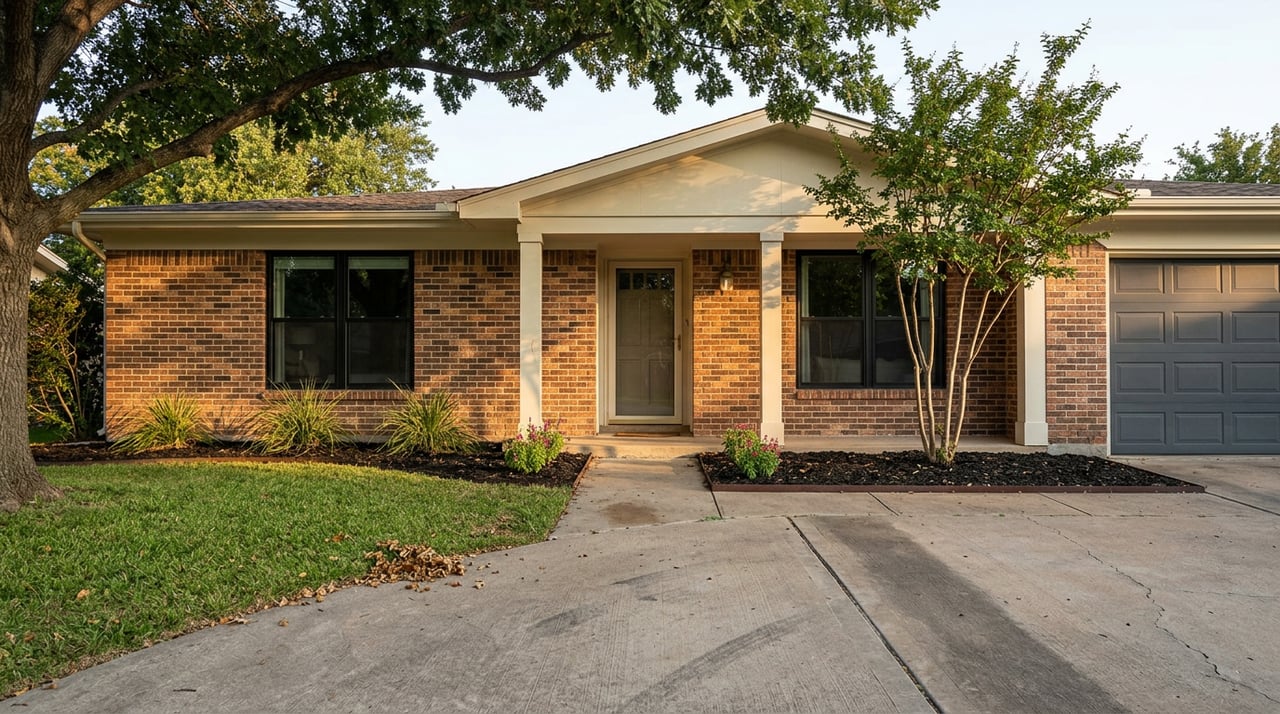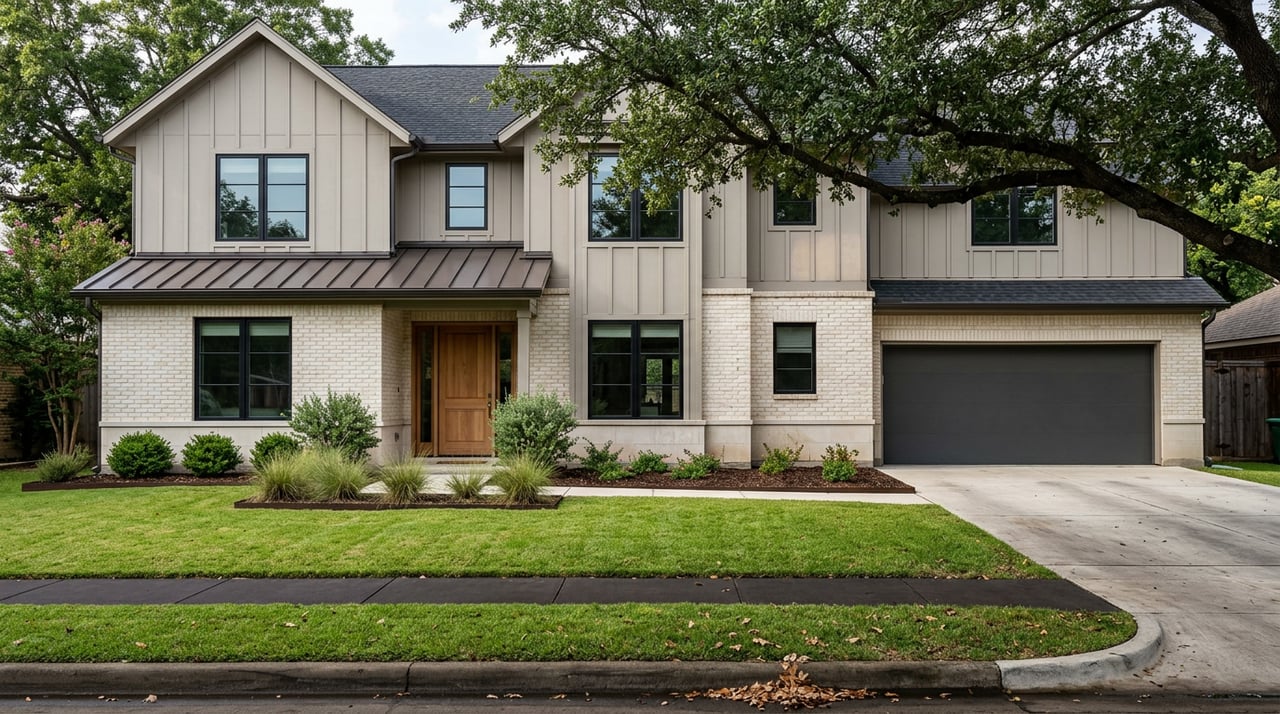
Thinking about moving up in McKinney? You are not alone. As your needs change, a starter home can start to feel tight, and the idea of a forever home becomes less about extra space and more about the way you want to live. In a fast-growing city like McKinney, making that jump takes a smart plan for equity, timing, taxes, and neighborhood fit. Let’s dive in.
Why McKinney Makes Sense
McKinney continues to attract buyers who want room to grow. The U.S. Census Bureau estimated the city at 236,001 residents in July 2025, and the City of McKinney reported 237,130 residents as of January 1, 2026, with long-term growth projected through 2040.
That growth matters if you are moving from a first home into a long-term one. McKinney also has an owner-occupied housing rate of 63.8% and a median household income of $124,215, which points to a market where many households are putting down roots.
For move-up buyers, the local price range is also important. Recent market data places McKinney in roughly the mid-$500,000 range, with homes spending about six weeks on the market. Different housing sites report slightly different numbers, but the big picture is consistent: you are shopping in an active market where pricing and preparation both matter.
What “Forever Home” Really Means
A forever home is not always the biggest house you can buy. In many cases, it is the home that gives you flexibility for the next chapter, whether that means more bedrooms, a dedicated office, a game room, guest space, a larger yard, or easier access to amenities and daily conveniences.
In McKinney, that often looks like a shift from compact starter-home layouts to homes with more adaptable living space. It can also mean choosing a community with trails, gathering areas, mixed-use features, or newer construction that better fits how you live now.
The key is to focus on long-term function, not just square footage. The right move-up purchase should support your life several years from now, not just solve today’s space problem.
Start With Your Equity Picture
Before you shop, you need a realistic look at your current home equity. Equity is the difference between what your home is worth and what you still owe on your mortgage.
That number is a helpful starting point, but it is not the same as the cash you will actually have available after your sale. Your mortgage payoff, transaction costs, and moving expenses all reduce what you can use for your next down payment and reserves.
This is where many move-up buyers get surprised. A home may look strong on paper, but the real question is how much of that value turns into usable cash once the sale is complete.
Budget Beyond the New Mortgage
When you move into a larger or newer home, your monthly payment is only part of the cost. You also need to budget for property taxes, insurance, closing costs, moving expenses, repairs, furniture, and any updates you want to make after move-in.
A larger home can change your monthly budget in ways that are easy to overlook. Utility costs, HOA dues, and ongoing maintenance may all increase along with the purchase price.
If you are using equity from your current home, think in two buckets:
- Your down payment for the next home
- Your reserve cash after closing
That second bucket matters more than many buyers expect. It gives you breathing room during a transition and helps you avoid feeling stretched right after you move.
McKinney Property Taxes Deserve Extra Attention
For move-up buyers, taxes can have a major impact on affordability. The City of McKinney lists a 2025 total tax rate of 1.747147 per $100 of assessed value for standard McKinney addresses, including the city, McKinney ISD, Collin County, and Collin College.
But that is not a one-size-fits-all number. The city also notes that Trinity Falls is outside the city tax jurisdiction and falls under McKinney MUD #1, which means tax structure can vary by address.
That is why address-specific tax estimates are so important when comparing homes. Two homes with similar prices can lead to meaningfully different monthly costs depending on where they sit.
Sell First or Buy First?
This is one of the biggest questions in a move-up plan. In general, homeowners who are moving try to sell their current home before buying the next one.
That approach can reduce financial pressure and give you a clearer picture of how much cash you will have to work with. It can also make your next home purchase feel more straightforward because you are not carrying the uncertainty of an unsold property.
Still, selling first is not the only path. If you have strong equity, income, and liquidity, buying before selling may be possible, but it requires careful planning.
Selling First
Selling first can offer a cleaner financial picture. Once your home closes, you know your exact proceeds and can use that number to set a confident purchase budget.
The tradeoff is timing. You may need a temporary place to stay, a leaseback arrangement, or a well-coordinated closing schedule so you are not between homes.
Buying First
Buying first may help you avoid a rushed purchase or multiple moves. This can be especially appealing if you are targeting a specific McKinney neighborhood or waiting for the right layout.
The challenge is financial. If you buy before your current home sells, your lender may need to document that you can carry your existing home, your new home, any bridge financing, and your other obligations at the same time.
When Bridge Financing May Fit
Bridge financing is the formal option many buyers ask about when they want to buy before selling. In general, this strategy is most realistic for households with strong equity, stable income, and enough liquidity to handle overlapping costs.
It is not the right fit for everyone. The main value is flexibility, but that flexibility comes with more moving parts and more risk if your current home takes longer to sell than expected.
New Construction Can Be Part of the Move-Up Plan
McKinney offers several newer communities that appeal to move-up buyers, and new construction can be a strong option if you want modern layouts, flexible spaces, and current amenities.
If you go this route, remember that builders may ask for an upfront deposit. It is also worth knowing that you do not have to use the builder’s preferred lender, and financing and inspection contingencies can help protect you if the loan does not come together or the inspection finds serious issues.
New construction can be a smart path if you are thinking long term. Just make sure your timeline, deposit structure, and sale plan all work together.
McKinney Communities to Watch
McKinney has several communities that fit a forever-home conversation for different reasons. The best choice depends on whether you value amenities, newer construction, mixed-use surroundings, or a wider variety of home styles.
Stonebridge Ranch
Stonebridge Ranch is one of the clearest move-up options in McKinney. The community includes 75 villages and offers a broad range of home styles, sizes, and price points, which gives you more ways to find a long-term fit.
The neighborhood structure is also designed to help preserve property values. If you are comparing homes here, note that some villages have sub-associations with their own assessments, so HOA details can vary from one section to another.
Realtor.com neighborhood data lists Stonebridge Ranch at a median listing price of $585,000, with 224 homes for sale and a median of 39 days on market.
Craig Ranch
Craig Ranch is a strong pick if your forever-home vision includes lifestyle and convenience. Visit McKinney describes it as a mixed-use community with TPC Craig Ranch, Hub 121, District 121, the Soccer Complex at Craig Ranch, and Crape Myrtle Trails World Collection Park.
That mix can appeal to buyers who want more than just a larger house. Realtor.com reports a median listing price of $540,000 in Craig Ranch, with 57 homes for sale.
Trinity Falls
Trinity Falls stands out for buyers who want newer construction and amenity-rich living. The community spans 2,000 acres and features The Lodge, The Club, pool and cabana space, a fitness room, coworking areas, splash pads, a dog park, and access to B.B. Owen Park with 350 acres of trails and lakes.
It also includes a 55+ option through Del Webb. If you are comparing monthly ownership costs here, remember that tax structure should be checked carefully because Trinity Falls is outside the city tax jurisdiction.
Painted Tree
Painted Tree is worth a look if you want a newer, more contemporary feel. The community highlights an 11.5-acre trailhead and gathering space, a lake and pool area, a broad trail network, and next-generation single-family homes and townhomes with flexible spaces.
That flexibility can be attractive if you want a home that can adapt over time. The community site also notes that Painted Tree is in McKinney ISD.
Adriatica Village
Adriatica Village offers a more distinctive setting. Visit McKinney describes it as a 45-acre Croatian village within Stonebridge Ranch, with residential options, restaurants, shops, the bell tower, and Bella Donna Chapel.
If walkability and character matter to you, this is one of McKinney’s most unique options. It brings a different kind of forever-home appeal that is less about size alone and more about atmosphere and daily experience.
A Smart Move-Up Checklist
If you are starting the process, focus on these steps first:
- Estimate your current home value.
- Compare that value to your mortgage payoff.
- Build a budget that includes taxes, insurance, closing costs, moving costs, and reserves.
- Decide whether selling first or buying first fits your finances.
- Narrow your target communities based on layout, amenities, and long-term lifestyle.
- Get preapproved before you shop seriously.
- Review address-specific taxes and HOA details for each home you consider.
This kind of planning can make the entire process feel less reactive. It also helps you move faster when the right home appears.
Closing Day Matters Too
Once you are under contract, stay focused on the final steps. Review the Closing Disclosure carefully, check the final numbers, and complete a final walk-through before signing.
You should also remember that the Closing Disclosure is delivered three business days before closing. That window gives you time to review costs, ask questions, and confirm that everything matches your expectations.
The Right Forever Home Starts With the Right Plan
Moving up in McKinney is about more than buying a bigger house. It is about turning your current equity, budget, and timing into a plan that supports the way you want to live for years to come.
With McKinney’s continued growth, a mid-$500,000 market, and a wide range of communities that offer lifestyle and flexibility, there are real opportunities here for buyers ready to make their next move. The key is knowing how to evaluate the full picture before you jump.
If you are thinking about selling your current home and moving up in McKinney, Tony Nuncio can help you map out the numbers, timing, and neighborhood options with a clear local strategy.
FAQs
How do I know how much equity I have in my current McKinney home?
- Equity is the difference between what your home is worth and what you still owe on your mortgage, but your usable cash will be lower after payoff amounts and transaction costs are deducted.
Should I sell my current home before buying a forever home in McKinney?
- Many homeowners choose to sell first so they know their exact proceeds and can shop with a clearer budget, though some buyers with strong equity, income, and liquidity may be able to buy first.
Which McKinney neighborhoods are popular for move-up buyers?
- Communities often considered strong move-up options include Stonebridge Ranch, Craig Ranch, Trinity Falls, Painted Tree, and Adriatica Village because they offer a mix of flexible home types, amenities, and lifestyle features.
How do property taxes affect a move-up purchase in McKinney?
- Taxes can significantly change your monthly cost, and because tax structure can vary by address, especially in places like Trinity Falls, it is important to review each property individually.
Is new construction a good forever-home option in McKinney?
- It can be, especially if you want newer layouts and amenities, but you should review builder deposit terms, shop financing options, and keep inspection and financing protections in mind.
How long are homes taking to sell in McKinney right now?
- Recent market reports show homes spending roughly six weeks on the market, with median days on market reported in the low-to-mid 40s depending on the source.