If you are thinking about a move to Midlothian, you probably want more than a map pin and a home search. You want to know what daily life actually feels like, from the morning drive to weekend park time and the kind of community events that fill your calendar. The good news is that Midlothian offers a mix of regional access, outdoor space, and a local rhythm that still feels grounded. Let’s dive in.
Midlothian daily life at a glance
Midlothian is an Ellis County community with direct access to U.S. Highway 67 and U.S. Highway 287. City materials describe that location as giving residents quick access to the broader Dallas-Fort Worth area, including surrounding cities and major airports.
That matters if you want suburban space without feeling cut off from the metroplex. Midlothian is also described by the city as about 30 minutes south of DFW, which helps explain why it appeals to buyers who want a growing community with practical regional access.
Commutes in Midlothian
For many residents, getting around Midlothian starts with the car. The city’s transportation information points to real-time traffic resources and a senior-center van for riders within five miles of downtown, which suggests everyday transportation is still largely car-based.
If you work in Dallas, Arlington, Fort Worth, Grand Prairie, Mansfield, or Waxahachie, Midlothian’s highway access is a big part of the lifestyle equation. City workforce materials say U.S. 67 and U.S. 287 connect Midlothian to those employment centers within roughly a 30-minute drive time.
What that means for your routine
A car-centered setup can be a plus if you value flexibility and straightforward regional access. You can often plan your errands, school drop-offs, work commute, and weekend outings around major roads rather than relying on broader transit options.
For relocating buyers, this is one of the first practical questions to answer. If your daily schedule depends on efficient highway access, Midlothian checks an important box.
Who Midlothian may fit best
Midlothian may feel like a strong match if you want:
- Access to Dallas-Fort Worth without living in the middle of it
- A suburban or semi-rural setting with room to grow
- A routine built around driving, not transit
- Easy connections to multiple nearby cities
That combination can work well for buyers balancing commute needs with a desire for more space and a community-focused setting.
Parks shape everyday routines
One of the clearest signs of everyday quality of life in Midlothian is its park system. The city has 15 public parks, and most are open from 5 a.m. to 11 p.m.
The city also notes that playgrounds are shaded and ADA-compliant, many parks offer free Wi-Fi, and some picnic or party spaces can be rented. Those details may seem small, but they make a real difference in how often you use local outdoor spaces.
Midlothian Community Park
Midlothian Community Park is the city’s flagship active-use park. Phase 2 opened in January 2022 and completed a 105-acre multipurpose complex.
This park includes:
- Soccer and football fields
- A splash pad
- An inclusive playground
- An amphitheater
- Courts
- Baseball diamonds
- Walking trails
- A fishing lake
If you like having one place that can cover sports, playtime, walks, and casual weekend plans, this park stands out. It supports a lifestyle where outdoor activity is easy to build into your normal week.
Mockingbird Nature Park
If your idea of a good afternoon is quieter and more nature-focused, Mockingbird Nature Park offers a different pace. The city describes it as a 62-acre nature area with a hiking trail, butterfly gardens, a pond, bluebird nest boxes, and native grass areas.
The park also hosts recurring guided programs such as wildflower walks with Texas Master Naturalists. Unlike most city parks, Mockingbird Nature Park is open from dusk to dawn because it does not have lighting.
Neighborhood parks and pet-friendly space
Midlothian also offers smaller, neighborhood-oriented outdoor options. Lake Grove Park is a 10-acre neighborhood park with a pavilion, half-mile walking path, playground, slides, and restrooms.
The city’s dog park adds another useful everyday amenity. It spans four acres and includes separate small and large dog areas, agility equipment, and a walking trail.
Downtown still feels local
Some communities grow quickly and lose their local center. Midlothian’s downtown story feels different because public spaces and city planning continue to tie civic life back to the historic core.
Heritage Park is an important piece of that picture. It anchors downtown and includes the Larkin Newton Log Cabin, while city planning documents connect the park to downtown revitalization, green-space connections, and a more walkable future.
A walkable vision for downtown
The city’s downtown master plan describes a future downtown that is safe, walkable, vibrant, and supportive of entertainment, socializing, employment, culture, and residential living. That does not mean every part of downtown already functions that way today, but it does show where the city is headed.
For buyers, that matters because it points to continued investment in public space and pedestrian connections. It also suggests Midlothian is thinking carefully about how growth should feel, not just how fast it happens.
Community events create the local rhythm
A city’s event calendar often tells you more than a brochure can. In Midlothian, many events are centered around parks and downtown public spaces rather than large entertainment districts.
Current city pages show a seasonal Farmers Market, National Night Out, Movies in the Park, the Independence Day Parade, and winter or holiday events. That creates a community rhythm built around recurring local traditions.
What the event calendar says about Midlothian
The seasonal farmers market is a good example of how local life comes together here. The city describes it as an open-air event that also supports nearby downtown businesses.
National Night Out gives another useful window into neighborhood life. The city presents it as a block-party and porch-light tradition designed to strengthen neighborhood spirit and police-community partnerships, with participating areas including Autumn Run, Dove Creek, Lawson Farms, Westside Preserve, and Midlothian Meadows.
Why that matters when choosing a home
When you buy a home, you are also choosing how connected you want to feel to the place around you. Midlothian’s event format suggests a community where parks, neighborhood gatherings, and downtown activity still play a central role in everyday life.
That can be especially appealing if you want more than a house. You may be looking for a place where it feels easy to get involved, get outside, and build familiar routines close to home.
Growth is part of the Midlothian story
Midlothian is not standing still. The city adopted Guiding Our Future - Midlothian 2045 in October 2024, and its Planning and Zoning pages track development projects and long-range growth across the city.
The city also provides a development process guide for new construction and remodeling. Together, those details point to a community that is still actively shaping how it grows.
What buyers may notice
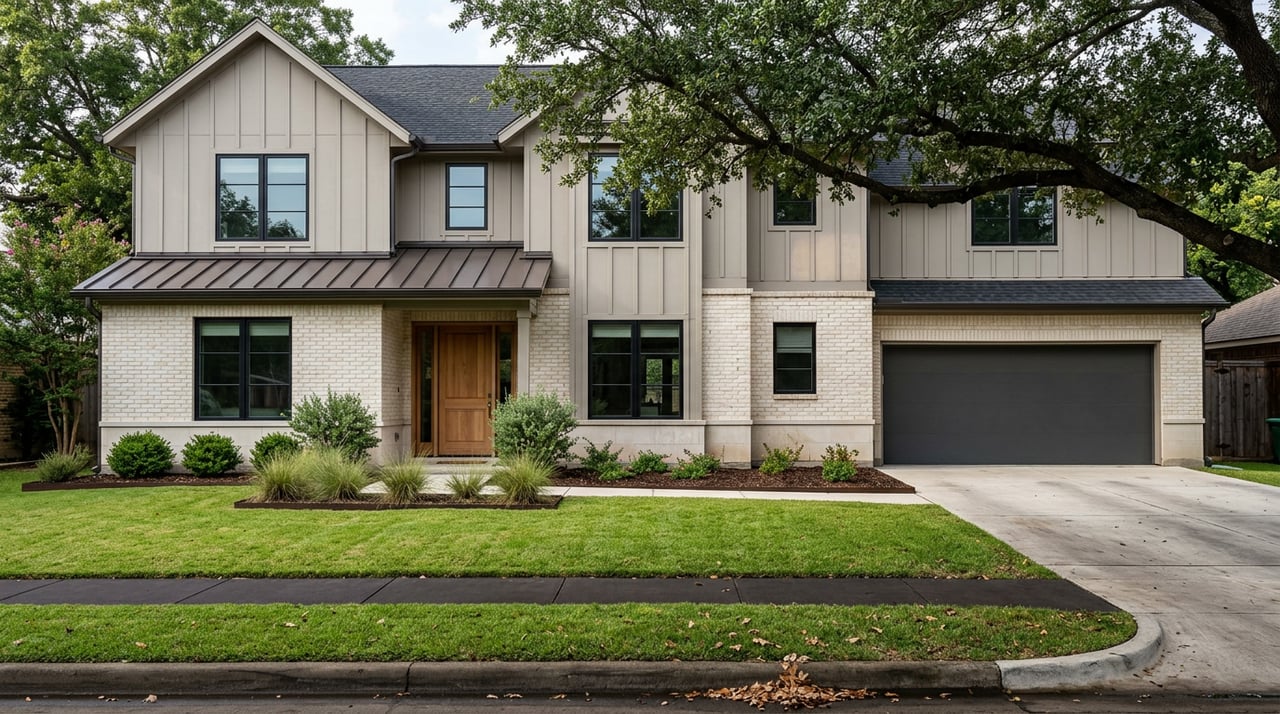
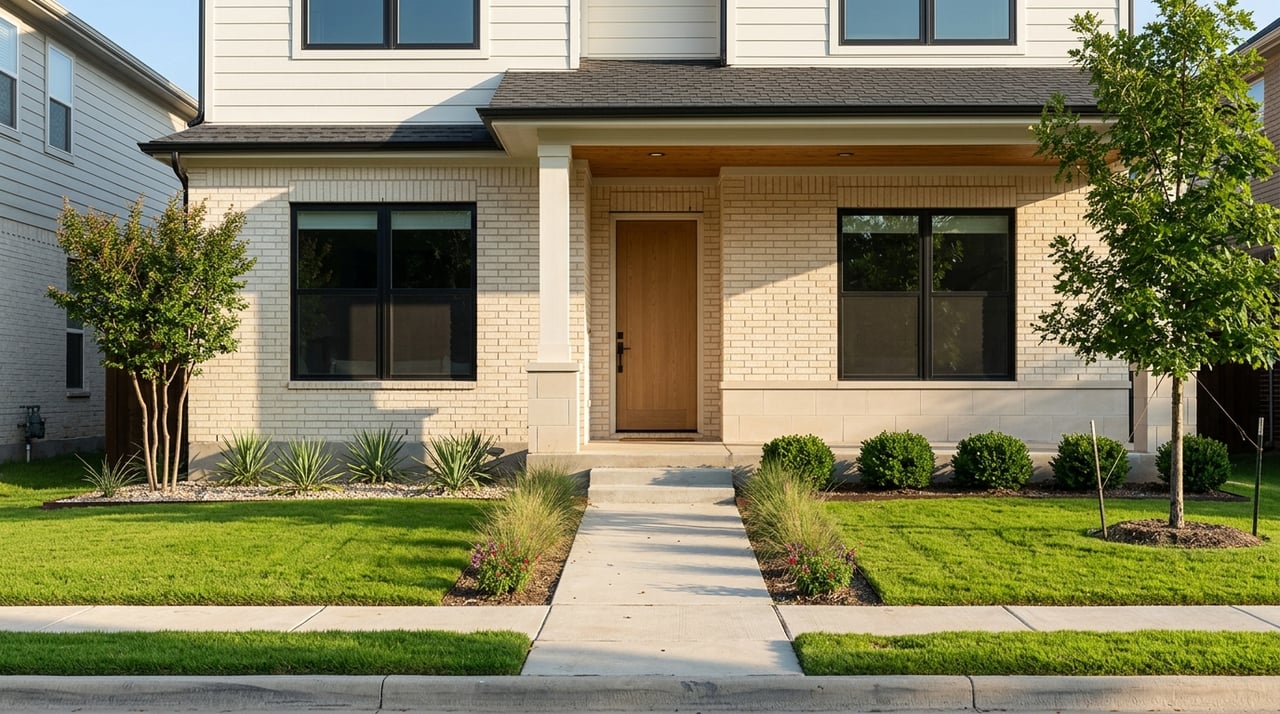
From a housing perspective, Midlothian reads as a blended market. You have a historic downtown core around Heritage Park, expanding park infrastructure, and newer residential growth reflected in planning activity and neighborhood event lists.
The city’s economic development office says Midlothian has nearly doubled in population since 2010 and continues to present itself as a place for semi-rural living with quick DFW access. For buyers, that means you may find both established areas and newer parts of the city contributing to the overall feel.
Why local guidance matters
In a market shaped by both growth and long-term planning, having clear local insight can make your search easier. You want to understand not just the home itself, but also how commute patterns, park access, downtown plans, and neighborhood routines may fit your goals.
That is especially true if you are relocating within DFW or moving in from outside the area. A home search gets a lot easier when you can compare daily lifestyle, not just square footage.
Is Midlothian a good fit for you?
If you are drawn to practical highway access, a strong park system, and a community calendar that still feels local, Midlothian has a lot to offer. It combines a growing footprint with familiar routines like park outings, downtown events, and neighborhood gatherings.
For many buyers, that balance is the real appeal. You get access to the metroplex, but your day-to-day life can still feel more grounded, spacious, and connected to community.
If you are considering a move to Midlothian or comparing Ellis County options, Tony Nuncio can help you evaluate neighborhoods, commute priorities, and the kind of daily lifestyle that fits your next move.
FAQs
What is commuting like in Midlothian, TX?
- Midlothian is largely car-dependent, with daily travel centered on U.S. Highway 67 and U.S. Highway 287, which the city says connect residents to several Dallas-Fort Worth area job centers within roughly 30 minutes.
What parks are available in Midlothian, TX?
- Midlothian has 15 public parks, including Midlothian Community Park, Mockingbird Nature Park, Lake Grove Park, and a four-acre dog park with separate areas for small and large dogs.
What can you do outdoors in Midlothian, TX?
- You can enjoy walking trails, sports fields, a splash pad, fishing, nature walks, butterfly gardens, dog-friendly space, playgrounds, and picnic areas across the city’s park system.
What community events happen in Midlothian, TX?
- City event listings include a seasonal Farmers Market, National Night Out, Movies in the Park, the Independence Day Parade, and holiday or winter events.
Is Midlothian, TX still growing?
- Yes. City planning documents, the Midlothian 2045 comprehensive plan, and active development tracking all indicate that Midlothian is continuing to grow and shape future residential and public spaces.