Are you drawn to Waxahachie’s historic charm, or do you want the space and convenience that often come with a brand-new build? It is a common question for buyers here, especially as Waxahachie keeps growing and offers more choices across both its older core and newer development areas. If you are weighing character, layout, upkeep, and long-term costs, this guide will help you compare both paths with more confidence. Let’s dive in.
Why This Choice Matters in Waxahachie
Waxahachie is not standing still. The U.S. Census Bureau estimates the city had 50,090 residents as of July 1, 2025, which is up 21.9% from the 2020 census count of 41,140.
That growth helps explain why you will find two very different housing experiences here. On one side, you have older homes near downtown and the Ellis County Courthouse Historic District. On the other, you have newer subdivisions in planned growth corridors with modern floor plans and built-in neighborhood amenities.
Historic Homes in Waxahachie
Character and Architecture
If you love homes with personality, historic Waxahachie has plenty to notice. Local historic records describe frame homes with traditional forms such as single-cell, double-cell, I-house, and other vernacular styles, along with examples of Queen Anne, Shingle, Eastlake, Prairie, Colonial Revival, French eclectic, and shotgun houses.
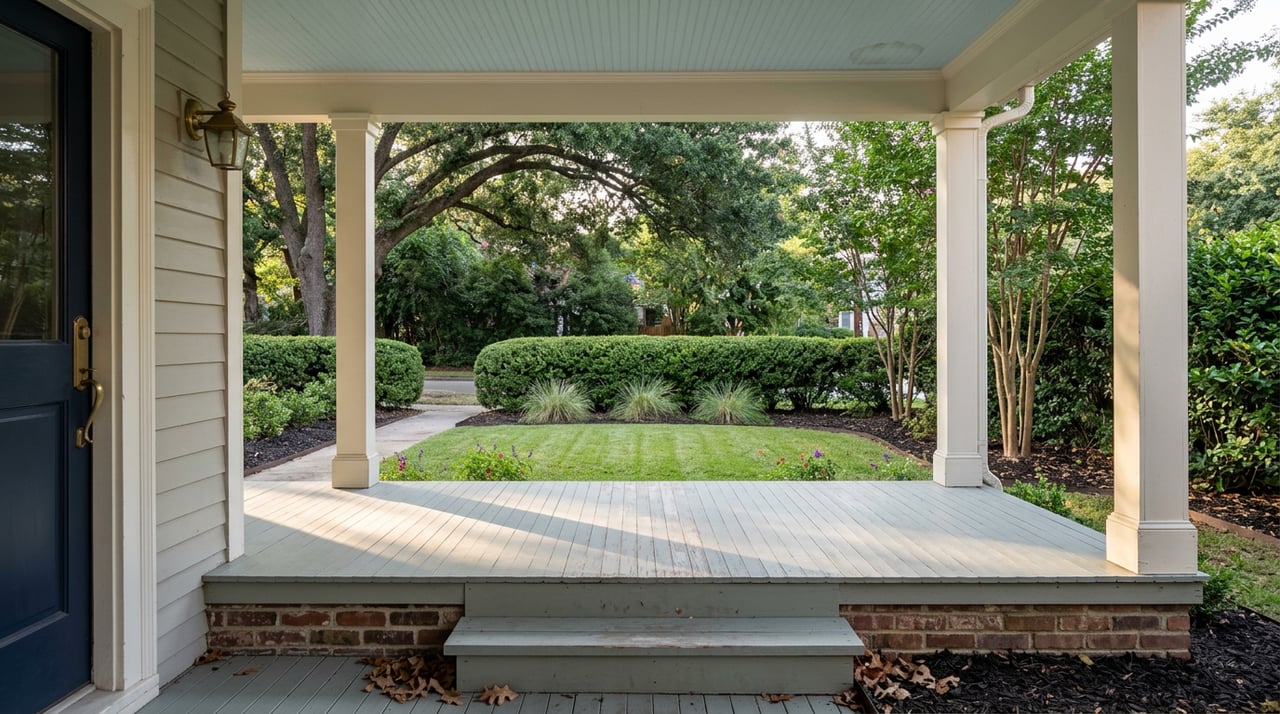
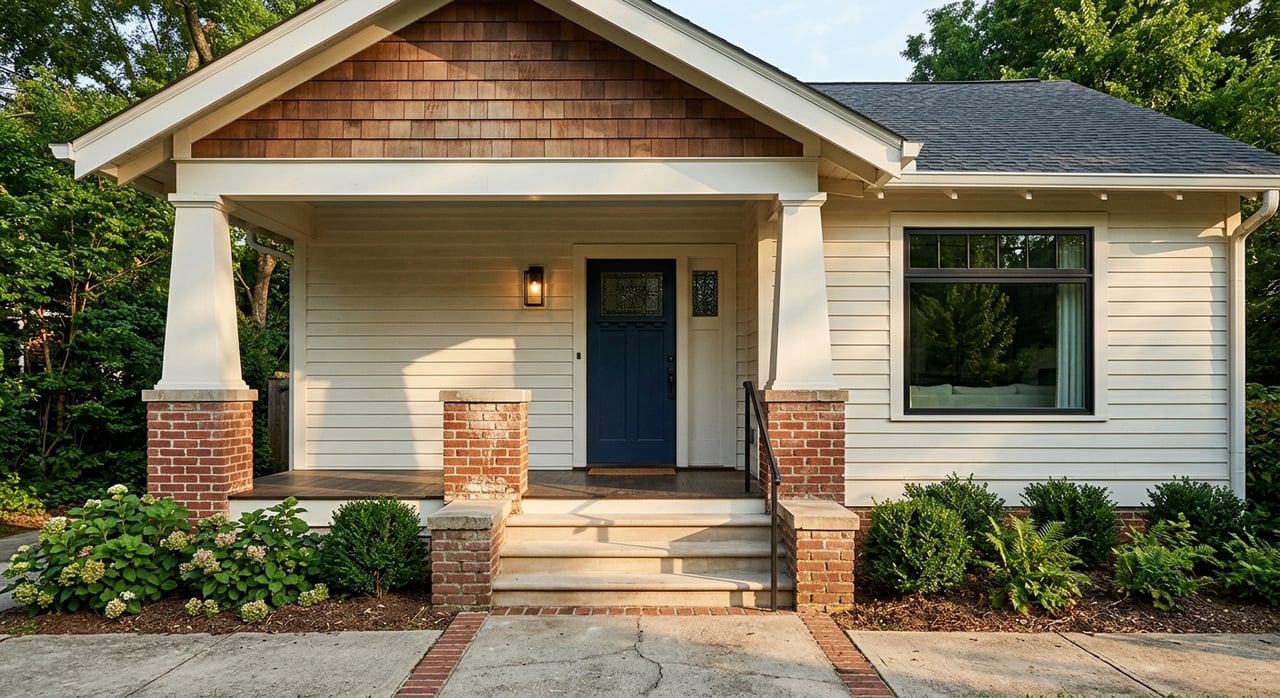
That variety gives older homes a look and feel you usually cannot replicate in a new subdivision. You may find detailed trim, deeper front porches, and exterior design shaped by an earlier era of building.
Downtown Setting and Street Pattern
Many historic homes are tied closely to the downtown area. Downtown Waxahachie centers on the Ellis County Courthouse Historic District, and the city also recognizes downtown through a Historic Overlay District and Main Street District.
This area follows an older street rhythm, with setbacks, spacing, and orientation that reflect historic development patterns rather than newer subdivision planning. For some buyers, that closer-in setting and established feel are a major draw.
Layout and Everyday Living
Historic homes often live differently than newer homes. Instead of large open-concept spaces, many older homes have more compartmentalized room layouts.
That can be a plus if you want separation between living areas, dining rooms, or work-from-home spaces. If you prefer a wide-open kitchen and family room setup, though, a historic home may feel less aligned with your day-to-day style unless you plan updates.
Upkeep and Renovation Needs
Character usually comes with trade-offs. Homes built before 1978 are more likely to contain lead-based paint, and renovation or repair work can create hazardous lead dust if it is not handled properly.
Older homes may also have less insulation than homes built today. A home-energy assessment can help identify air-sealing and insulation needs before you take on major upgrades.
Potential Historic Incentives
There can be practical upside to owning an approved historic property downtown. Waxahachie offers downtown historic-property incentives that include a city tax exemption equal to 25% of the city portion of assessed property taxes for approved historic properties, and that application is made annually.
This will not apply to every older home, and buyers should verify eligibility carefully. Still, for the right property, that incentive can be part of the financial picture.
New Construction in Waxahachie
Modern Layouts and Features
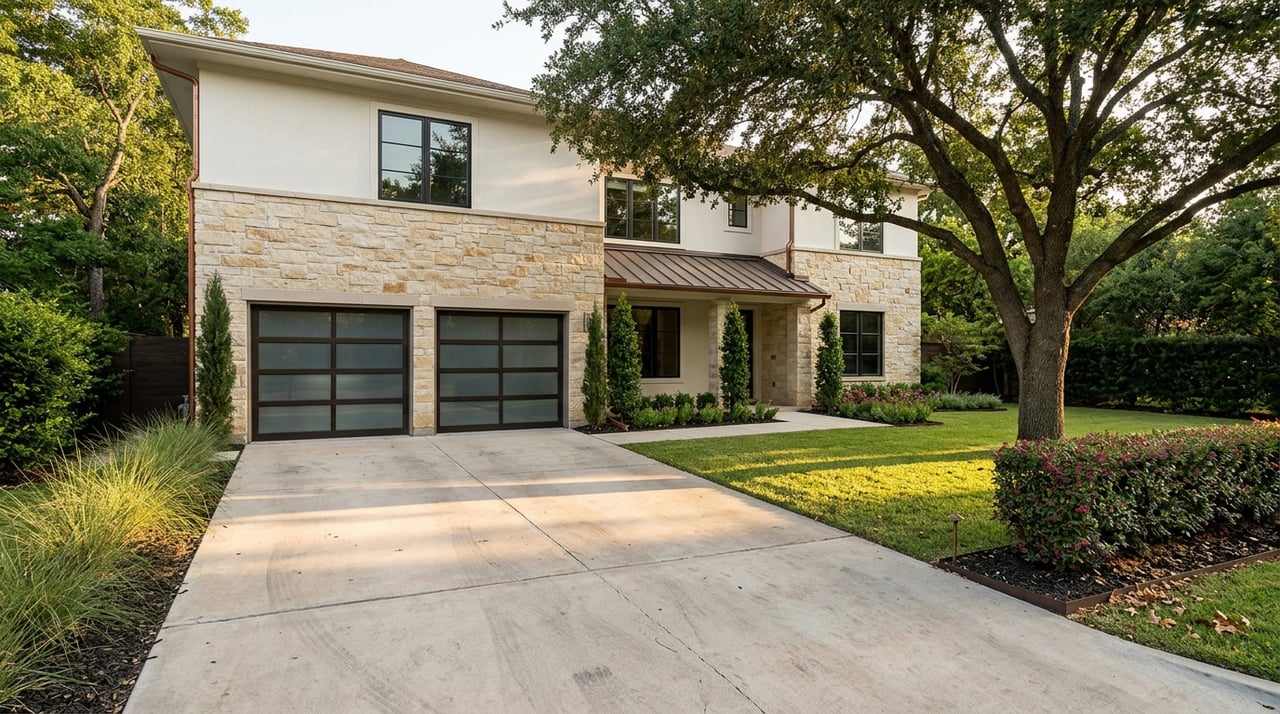
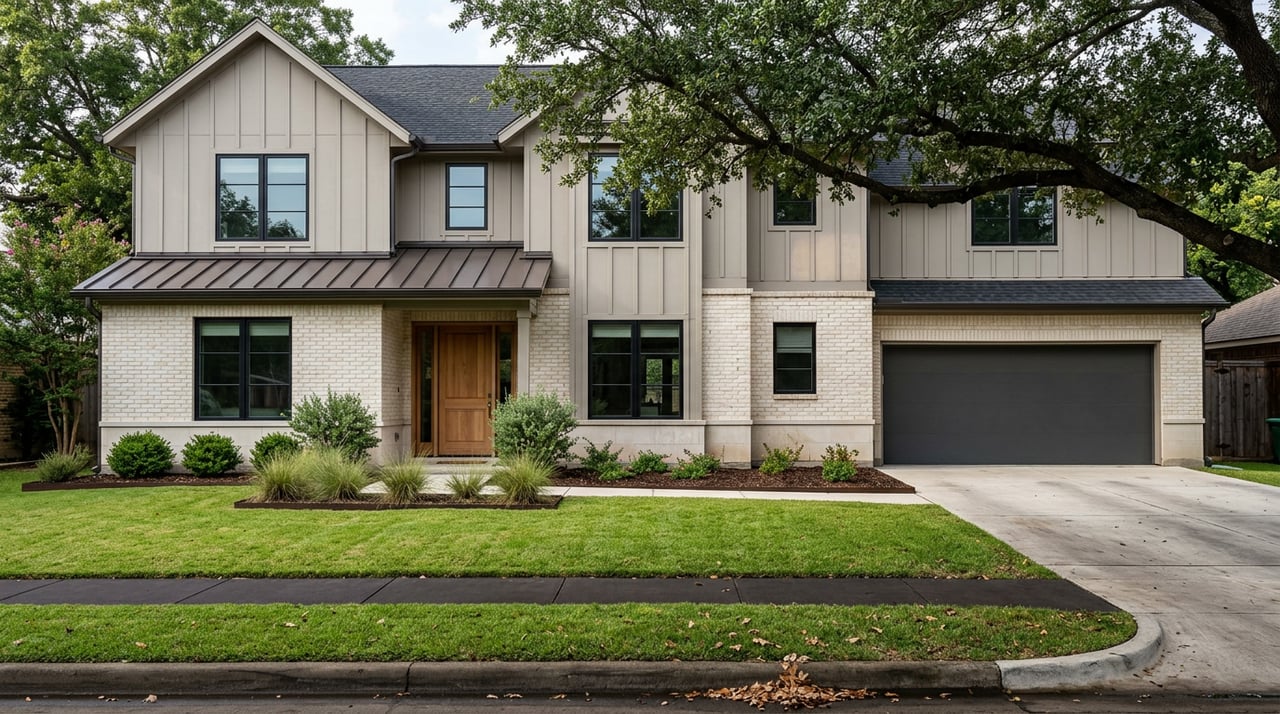
If function and flexibility top your list, new construction may feel like the easier fit. Current Waxahachie new-home examples commonly include 1- and 2-story homes of roughly 2,100 to 3,400 or more square feet, with 3 to 5 bedrooms, open kitchen and family areas, studies or home offices, game or media rooms, covered patios, and 2- to 3-car garages.
That profile matches what many buyers want today. If you need space for remote work, entertaining, or a growing household, newer construction often delivers those features without major renovation.
Planned Amenities
Newer communities in Waxahachie often package amenities into the subdivision itself. Some current neighborhood examples include features such as parks, playgrounds, pools, splash parks, community centers, basketball courts, pavilions, greenspace, trails, and sports-field areas.
For buyers who want recreation close to home, this can be a big advantage. It also creates a more planned, amenity-driven neighborhood experience than the older downtown grid typically offers.
Development Pattern and Growth Areas
Waxahachie continues to plan for residential growth, and city planning documents support the idea that newer neighborhoods are being shaped with open space, trail connectivity, creek buffers, and park integration in mind. In practical terms, that often means a more organized subdivision layout and a newer overall feel.
If you like the idea of moving into an area built around recent planning standards, new construction can check that box. You may also have fewer immediate repair projects compared with an older home.
HOA and PID Considerations
Some newer communities use HOA and PID structures. That means your monthly or annual housing costs may include more than your mortgage, taxes, and insurance.
Before you choose a new construction home, it is smart to look closely at any required dues or district-related costs. Those costs may be worth it for the amenities and neighborhood infrastructure, but they should still be part of your budget planning.
Historic vs. New Construction at a Glance
| Factor | Historic Homes | New Construction Homes |
|---|---|---|
| Style | Distinct architectural character | More standardized modern designs |
| Layout | Often more compartmentalized | Usually open-concept and flexible |
| Location pattern | Near downtown and older streets | In planned growth corridors |
| Maintenance | Often higher upkeep and update needs | Typically fewer immediate repairs |
| Amenities | Usually tied to location and downtown access | Often built into the community |
| Extra cost items | Renovation and efficiency upgrades | HOA or PID costs may apply |
How to Decide Which Home Fits You
Choose Historic if You Value Character
A historic home may be the better fit if you want unique architecture, a closer-in downtown setting, and the possibility of preservation-related incentives. It can also make sense if you are comfortable with inspection-led renovation and understand that updates may come in phases.
This option often appeals to buyers who see a home as more than square footage. If charm, porch living, and architectural detail matter to you, older homes may offer the emotional connection you are looking for.
Choose New Construction if You Want Ease
New construction may be the better fit if you want larger open layouts, modern day-to-day functionality, and neighborhood amenities already built in. It can be especially attractive if you prefer a more predictable move-in experience.
For many buyers, the biggest appeal is simplicity. You are often getting a home that matches today’s living patterns without needing to rework floor plans or tackle major improvements right away.
Budget Beyond the Purchase Price
No matter which direction you lean, compare the full cost of ownership. In Waxahachie, the median owner-occupied home value is $336,500, and the median monthly owner cost with a mortgage is $2,260.
Those figures are useful benchmarks, but your real comparison should go deeper. Think about purchase price, likely repair or refresh costs, utility efficiency, ongoing maintenance, and any HOA or PID dues where they apply.
Inspections Matter for Both Options
A full home inspection is important whether you buy a historic home or a new one. With older homes, specialist follow-up may be needed for items tied to age, condition, or renovation planning.
For pre-1978 homes, lead-safe practices deserve extra attention before any repair or remodeling work. Older homes may also benefit from a whole-house energy audit before major updates, especially if you are trying to balance charm with comfort and efficiency.
What This Means for Your Home Search
In Waxahachie, this decision is rarely just about old versus new. It is really about how you want to live, what level of upkeep feels comfortable, and how you want your budget to work over time.
The right answer depends on your priorities. If you want help comparing neighborhoods, property condition, and long-term value across Waxahachie, Tony Nuncio can help you sort through the options and move forward with clarity.
FAQs
What makes historic homes in Waxahachie different from new construction?
- Historic homes in Waxahachie often offer distinct architecture, deeper porches, and more compartmentalized layouts, while new construction usually features open-concept floor plans, larger square footage, and modern amenities.
Are historic homes near downtown Waxahachie more expensive to maintain?
- They can be, because older homes may need more repairs, insulation upgrades, or renovation planning, and pre-1978 homes may require extra lead-safe precautions during updates.
Do new construction neighborhoods in Waxahachie have HOA or PID costs?
- Some do, so you should review those costs carefully when comparing total monthly ownership expenses.
Are there tax incentives for historic homes in downtown Waxahachie?
- Waxahachie offers a city tax exemption equal to 25% of the city portion of assessed property taxes for approved historic properties, with annual application required.
What should buyers inspect when choosing between old and new homes in Waxahachie?
- Buyers should plan for a full home inspection in either case, with specialist follow-up as needed, and older homes may also benefit from energy assessments and lead-safe renovation planning.