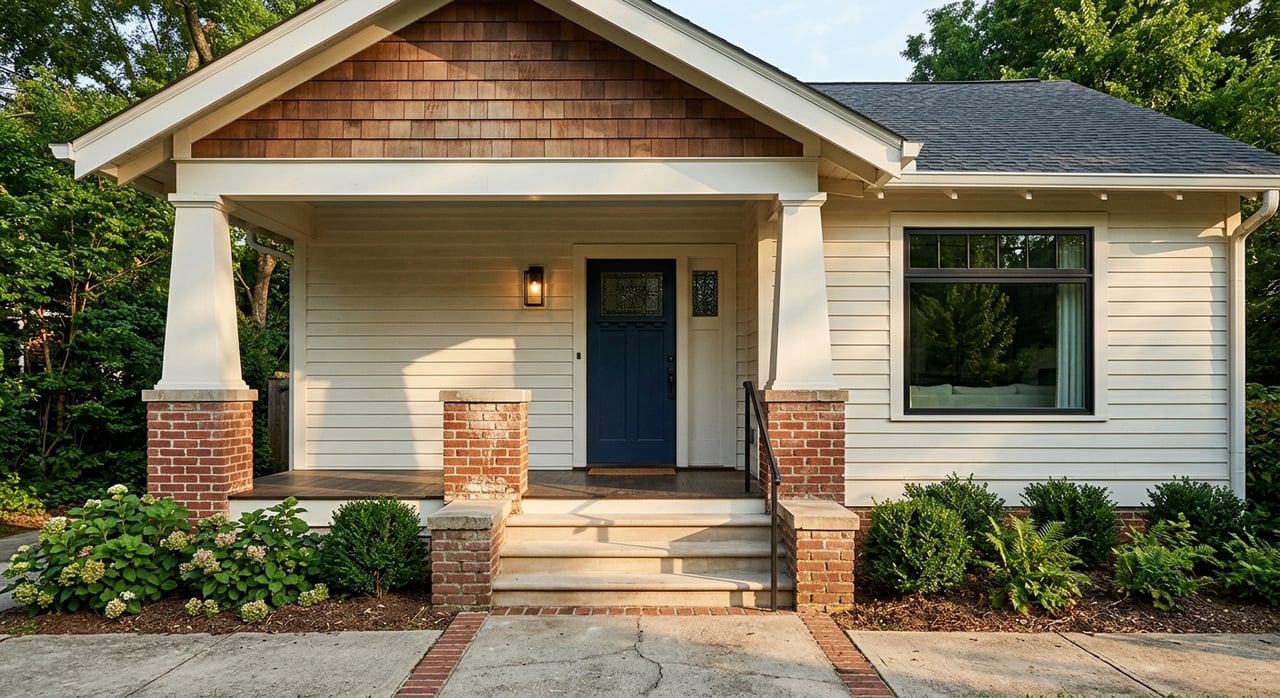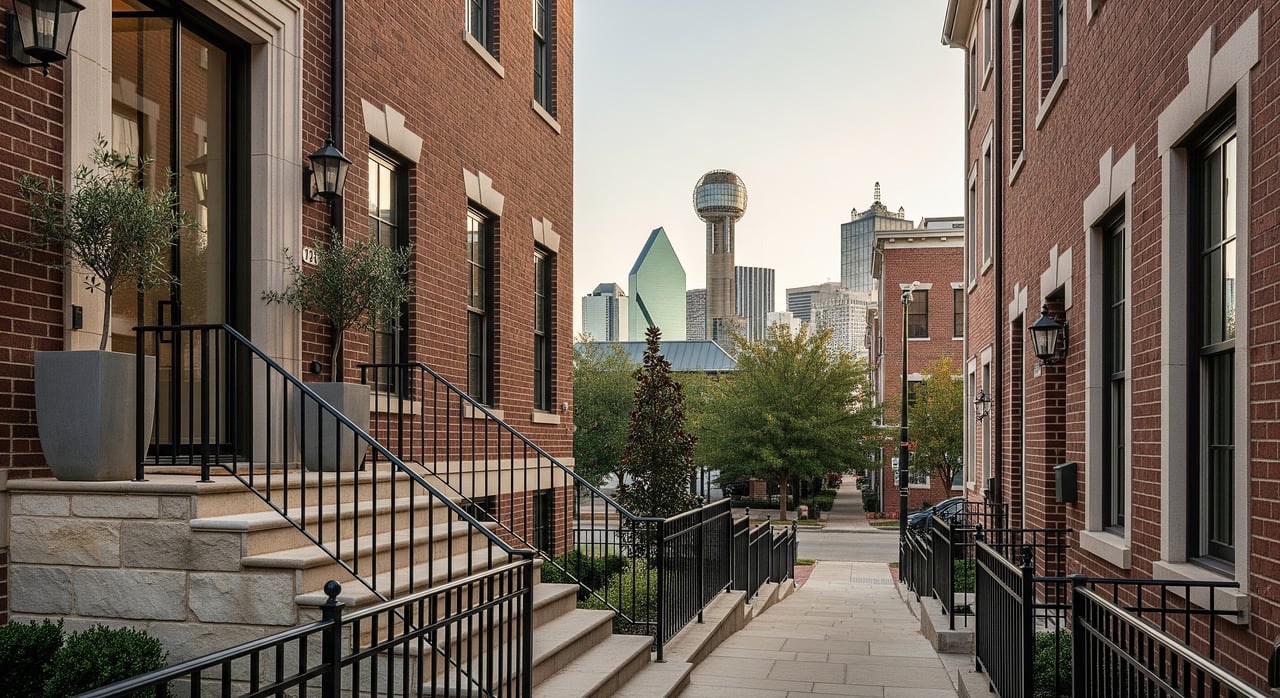
Condo or townhome in Downtown Dallas? Your daily routine, monthly costs, and long-term value can look very different depending on what you choose. If you want low maintenance and strong amenities, a condo may be a fit. If you prefer a private entry and garage, a townhome might suit you better. This guide breaks down ownership, HOA rules, fees, amenities, parking, accessibility, and resale so you can decide with confidence. Let’s dive in.
Key differences at a glance
- Condos: elevator access, shared building systems, on-site amenities, higher reliance on the HOA.
- Townhomes: street entry, attached garage in many cases, fewer shared systems, responsibilities feel closer to a single-family home.
- Monthly costs: condo fees often higher in high-rises; townhome fees vary by community scope and services.
- Parking: condos often use secured garages; townhomes typically include a private or attached garage.
- Location: high-rise condos cluster in the core business district; townhomes are more common on the edges and nearby areas like Uptown, Victory Park, Deep Ellum, and the Arts District edges.
Ownership and governance
Condos: unit plus common elements
With a condominium, you own your interior unit and share an undivided interest in common areas like hallways, elevators, roofs, garages, and amenities. A condo declaration and bylaws govern the building, and a board or association manages operations, budgets, reserves, and rules.
Townhomes: fee simple or condo form
Many townhomes are fee simple, which means you own the structure and the land beneath it. Some townhome developments are legally condominiums, so the term “townhome” describes the look and layout, not always the legal category. Always confirm the legal structure on the deed and in the resale packet.
HOA boards and reserves
Condo associations typically oversee major building systems, security, and amenities. Townhome HOAs, when present, focus on exterior standards, shared landscaping, and driveway or alley maintenance. Reserve funds matter. Strong reserves reduce the chance of sudden special assessments for big repairs like roofs, façades, or garages. Ask for the latest budget, reserve study, meeting minutes, and any planned projects before you make an offer.
Financing and insurance
Lending differences
Condos are underwritten at both the borrower and project level. Lenders review the association’s financials, reserves, insurance, owner-occupancy, and any litigation. Some loan programs have added condo project requirements. Fee simple townhomes often underwrite like single-family homes, which can simplify approvals and expand loan options.
Insurance basics in Texas
Condo owners typically carry an HO-6 policy for interior finishes and personal property. The association’s master policy covers the structure and common elements, and sometimes limited interior components based on the building’s policy form. Townhome owners often carry an HO-3 policy if the property is fee simple, or an HO-6 if the development is legally a condominium. Clarify where the association’s policy stops and your policy starts.
Rental rules and approvals
Rental restrictions and investor ratios vary by association. These policies can affect financing approvals and resale value. Review the association’s rules and resale certificate for any rental caps, minimum lease terms, and application procedures.
Monthly costs and fees
HOA fees: what they cover
- Condos: Fees are often higher in Downtown high-rises because elevators, common HVAC, security, concierge, pools, and management add operating costs.
- Townhomes: Fees can be lower if the HOA maintains only shared drives and landscaping. Gated or luxury townhome communities may still have higher fees depending on services.
Reserves and special assessments
Healthy reserves reduce risk. Both condos and townhomes can levy special assessments for major work. High-rise items like garage repairs, elevator modernization, and façade work can be expensive. For townhomes, roofs, fences, or shared drive repairs are common triggers. Always ask about upcoming projects.
Parking and EV charging
In Downtown high-rises, parking is usually in secured garages. Spaces may be deeded, assigned, or leased for a monthly fee. Townhomes usually include private attached or surface garages. If you need EV charging, ask about installation rules, costs, and whether equipment is owner or association property.
Lifestyle and amenities
Amenities and services
- Condos: Often include concierge or front desk, fitness centers, pools, rooftop terraces, package rooms, conference spaces, and social lounges. Great for a lock-and-leave lifestyle.
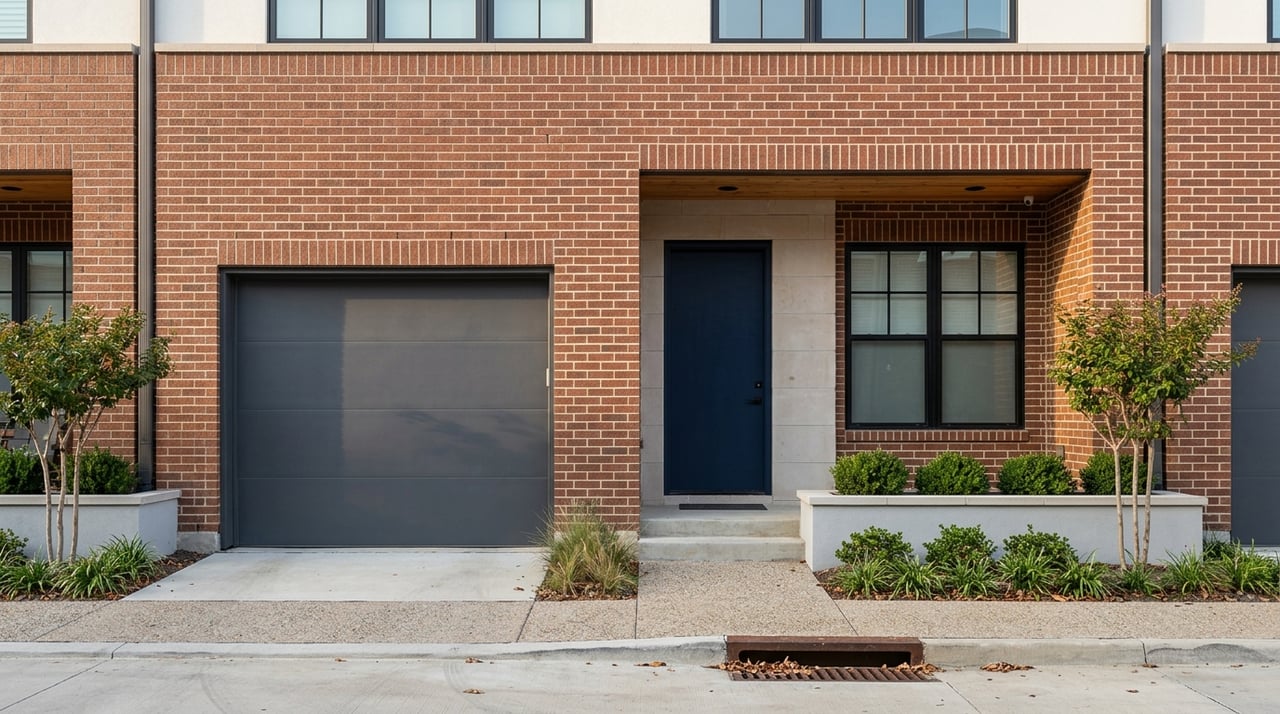
- Townhomes: Emphasize private entry, attached garage, and personal outdoor space like a patio or roof deck. Community amenities are typically lighter.
Elevator vs street entry
- Vertical living: Expect views, strong security, and less street noise. Plan for elevator wait times, delivery and move coordination, and building rules that shape pets, hours, and access.
- Street-entry living: Enjoy direct entry, quick access to your garage, and an immediate connection to the sidewalk. Expect more street noise and fewer panoramic views.
Noise and privacy
Condos may have neighbors above and below, which varies by building construction and location. Townhomes often feel more like single-family living, though you may share walls with an adjacent unit.
Downtown locations and resale
High-rise condos cluster in the central business district and in key towers throughout the core. Attached townhomes are less common in the very center and appear more often on the edges and in nearby neighborhoods like Uptown, Victory Park, Deep Ellum, and the Arts District edges.
Resale depends on building reputation, HOA health, and location. Well-managed condo buildings in desirable pockets can hold value better. Townhomes often attract buyers who want single-family characteristics close to the city, which can support demand when supply is limited.
Condo vs townhome comparison
| Feature | Typical Condo (Downtown high-rise) | Typical Townhome (core or adjacent) |
|---|---|---|
| Ownership legal form | Unit ownership plus shared common elements under a condo declaration | Fee simple lot and structure, or condo form in some communities |
| Monthly HOA/condo fee | Often higher; covers elevators, common HVAC, security, and amenities | Often lower if services are limited; higher in gated or luxury setups |
| Reserve fund strength | Varies by building; request the latest reserve study | Varies; fewer large shared systems but still confirm reserves |
| Special assessment risk | Possible for large systems like garages, façades, and elevators | Possible for roofs, fences, and shared drives |
| Amenities | Concierge, gym, pool, rooftop, package room, social spaces | Private entry, garage, patio or roof deck; limited shared amenities |
| Parking | Secured garage; spaces may be deeded, assigned, or leased | Private or attached garage; street parking varies by block |
| Accessibility | Elevator access and interior corridors | Street entry; interior stairs common within the unit |
| Maintenance responsibility | Association covers exteriors and common systems | Owner typically handles structure and yard; HOA covers shared areas |
| Insurance | Owner HO-6 plus association master policy | HO-3 if fee simple, or HO-6 if legal condo form |
| Noise/privacy | Neighbors above and below depending on construction | More single-family feel; shared walls possible |
| Buyer fit | Urban professionals, downsizers seeking turnkey living | Buyers who want private entry, garage, and a home-like feel |
How to decide
- Define your lifestyle priorities.
- Do you want amenities, concierge, and lock-and-leave living?
- Or do you prefer a private entry, garage, and more personal outdoor space?
- Compare full monthly costs.
- Tally HOA fees, parking costs, utility differences, insurance, and likely maintenance.
- Ask for the budget, reserve study, and any planned projects.
- Verify the legal form and rules.
- Confirm fee simple or condominium form, rental policies, pet rules, and move-in procedures.
- Review the resale certificate, bylaws, and recent meeting minutes.
- Tour for access and daily flow.
- Test elevator wait times, delivery access, guest parking, and garage flow.
- In townhomes, assess stairs, storage, and how the garage entry works for groceries or mobility.
- Consider resale.
- Look at building reputation, HOA health, and nearby development. Liquidity varies by property type and pocket.
For sellers: position your property
- Highlight what your product type does best. Condos should showcase amenities, security, and lock-and-leave convenience. Townhomes should emphasize private entry, garage, and outdoor space.
- Prepare HOA documents early. Have budgets, reserve studies, meeting minutes, and rules ready for serious buyers.
- Present beautifully. Staging, professional photos, and clear floor plans help buyers visualize vertical or multi-level living.
- Market the lifestyle. Be specific about walkable conveniences, parking access, and how daily life flows in your unit type.
Ready to compare specific Downtown Dallas buildings and townhome communities side by side? Connect with Tony Nuncio to review HOA financials, parking, amenities, and total monthly costs, then schedule tours that fit your priorities.
FAQs
What are the main cost differences between Downtown Dallas condos and townhomes?
- Condos often have higher monthly fees due to elevators, shared HVAC, security, and amenities; townhome fees vary and can be lower when associations maintain only shared drives and landscaping.
How does ownership differ for condos versus townhomes in Dallas?
- Condo owners hold a unit plus shared common elements under a condo declaration; many townhomes are fee simple, though some are legally condominiums, so always confirm the legal form.
What should I review in a condo or townhome HOA before buying in Downtown Dallas?
- Request the budget, reserve study, recent meeting minutes, rules, rental policies, owner-occupancy rates, and details on any planned capital projects or special assessments.
How does financing usually differ between a Downtown Dallas condo and a townhome?
- Condos may require project approvals and added lender review of HOA health; fee simple townhomes often underwrite like single-family homes, which can simplify financing.
What insurance do I need for a Downtown Dallas condo or townhome?
- Condo buyers typically carry an HO-6 for interiors and personal property; fee simple townhome owners often use an HO-3, while townhomes in condo form may also need an HO-6.
What parking differences should I expect in Downtown Dallas buildings?
- Condos usually use secured garages with deeded, assigned, or leased spaces; townhomes often include private attached garages, with street parking varying by block.
Can I install EV charging in a Downtown Dallas condo or townhome?
- Many condos allow EV charging with board approval in common garages and defined cost-sharing; townhomes may offer easier private installation, subject to HOA rules if applicable.
Which is better for downsizing in Downtown Dallas: condo or townhome?
- Condos offer elevator access and turnkey amenities; townhomes provide private entries and garages. Your choice depends on stair tolerance, access needs, and desired services.