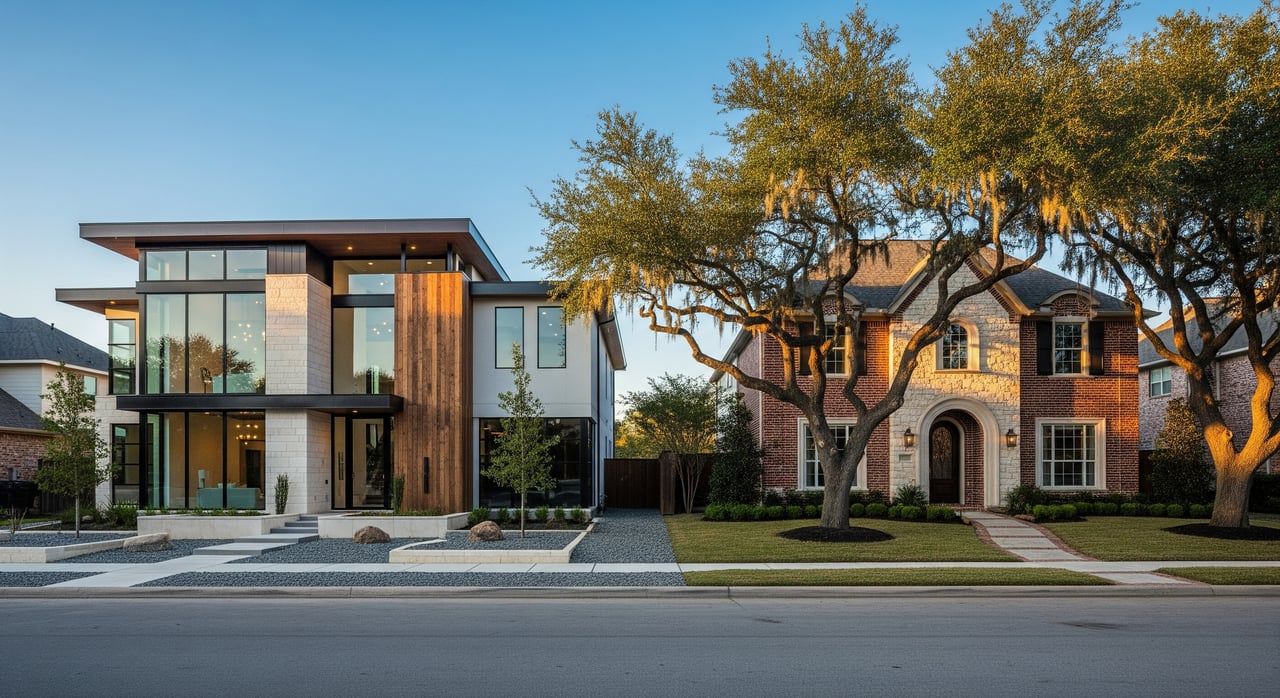
Trying to decide between a new build and a resale in Carrollton? You’re smart to look past list price. The real question is total cost of ownership over the years you plan to live there. In this guide, you’ll see how to compare price, closing costs, taxes, insurance, utilities, maintenance, financing, and timelines so you can make a confident, apples-to-apples choice. Let’s dive in.
What drives total cost
Choosing between new and resale in Carrollton comes down to more than finishes and floor plans. You want to compare the full spend from contract to long-term ownership. That includes your effective purchase price, closing costs, ongoing expenses, financing terms, and the value of time.
Your goal is simple: estimate monthly housing cost, plus one-time expenses and any overlap or temporary housing while moving. Then compare both paths over your expected holding period.
Price and price per square foot
Normalize price per square foot
Price per square foot helps only if you compare the same things. Use finished living area only and exclude garages and patios unless both homes include them equally. Calculate: price per sq ft = final purchase price divided by finished living square feet.
Adjust for lot premiums, upgrades, and energy or tech packages on new builds. For resales, consider remodeling quality, recent system updates, and lot size.
New build pricing
Builders often advertise a base price. Your final contract price typically includes lot premium, structural options, and design upgrades. New construction can carry a premium for modern layouts, energy efficiency, builder amenities, and warranties.
Be sure to compare the fully configured price, not just the base. Preferred lots like cul-de-sacs can add materially to price.
Resale pricing
Resale list prices usually reflect existing features, location, and recent comparable sales. Mature neighborhoods may offer larger lots or established landscaping. Your effective price accounts for any repair credits or negotiated concessions at closing.
Upfront and closing costs
Deposits and earnest money
- New build: Deposits may be staged through construction milestones. These credits apply at closing but affect your cash flow during the build.
- Resale: Earnest money is typical and credited at closing, with a shorter timeline to close.
Closing costs and incentives
- New build: You’ll often pay standard lender and title fees. Builders may offer closing credits or rate buydowns if you use a preferred lender. Incentives can be folded into price negotiations, so compare the net cost.
- Resale: Seller concessions are common, especially for repairs or closing costs. A 30 to 45 day close typically reduces rate-lock risk.
Inspections, upgrades, and change orders
- New build: Budget for upgrades and potential change-order fees during construction. Lot premiums and structural options are separate from base price.
- Resale: You’ll typically pay for inspections and then negotiate repairs or a credit. Expect a shorter punch-list timeline than new construction.
Temporary housing and carrying costs
If your current home sells before your new home is ready, plan for rent, storage, or overlap with two mortgages. Add moving costs and any bridge financing to your worksheet.
Ongoing ownership costs
Property taxes in Carrollton
Carrollton spans Dallas and Denton counties. Your annual bill depends on the parcel’s appraised value and the combined rate for city, county, school district, and any special districts. New construction is appraised as new improvements, which can raise taxes versus older resales. Some subdivisions include special districts that add taxes. Texas offers homestead exemptions and caps on annual increases for eligible homesteads. Verify your parcel’s taxing entities and exemptions with the county appraisal district.
HOA fees and assessments
Newer subdivisions may have structured dues for amenities and reserves, which can be higher early on. Established communities may have steady dues, but also watch for special assessments. Review governing documents and budgets if available.
Insurance and flood risk
Newer systems may help initial insurance pricing, but coverage depends on replacement cost, materials, location, and hazard exposure. Flood insurance is not required by Texas law, though lenders may require it for mapped flood zones. Check flood maps for a specific property before you decide.
Utilities and energy
New builds often feature efficient HVAC, insulation, windows, and smart thermostats that can lower utility costs. Ask for estimated usage or energy ratings when available. For resales, factor in potential upgrades to reduce future bills.
Maintenance and repairs
A common rule of thumb is 1 to 3 percent of home value per year for maintenance, depending on age and condition. New homes usually have lower near-term repair risk, while older resales may need bigger replacements sooner, such as HVAC, roof, or appliances. Build a reserve for major systems on a realistic timeline.
Financing and appraisal factors
New construction financing
Options include builder-sponsored mortgages or construction-to-permanent loans, where you pay interest only during the build and convert at closing. Review contract terms for price locks or escalation clauses tied to material costs. Compare builder incentives to outside lender quotes to understand the true net benefit.
Resale financing
Most buyers use standard fixed or adjustable loans with appraisals based on recent comparable sales. The financing timeline is typically straightforward and faster than building.
Appraisal differences
New-build appraisals may lean more on cost approach and can come in lower if nearby sales are limited. Resale appraisals rely on comparable sales, which can be easier to justify in established neighborhoods.
Warranties and short-term risk
Many builders use a 1-2-10 structure: 1 year for workmanship, 2 years for mechanical systems, and 10 years for structural items. Resales typically carry manufacturer warranties on newer components if still in effect. Third-party home warranties are available but differ from builder coverage.
Timeline and opportunity cost
- New build timelines often span 6 to 12 or more months, depending on builder backlog and options. Inventory homes can close sooner.
- Resales commonly close in 30 to 45 days, faster with cash.
- During a build, price appreciation can help if you locked a lower price. Rate movements can still impact your monthly payment at closing.
- Resales might need updates that add cost and time after closing.
Carrollton local checks
Counties and school districts
Carrollton includes areas in Dallas and Denton counties, and parcels can fall under different school districts. Since school district taxes are a major part of the rate, confirm the specific district and combined tax rate for each address.
MUDs and special districts
Some suburban developments use special districts to fund infrastructure. These taxes can materially increase your annual bill for years. Identify all taxing entities for any property you are considering.
Corridors and micro-markets
Key corridors include I-35E, I-635, President George Bush Turnpike, Belt Line Road, and SH 121. Closer-in areas often offer more resale options and shorter commutes, while outer corridors may offer newer inventory and larger lots. Compare within the same corridor or zip code for fair pricing.
Permits and impact fees
Builders generally account for permit and impact fees in lot and home pricing. These costs influence developer economics and can show up in premiums for certain communities.
Build your cost worksheet
Use this side-by-side framework to compare a new build versus a resale over your chosen holding period.
Inputs for each option
- Property address or lot
- Living square feet
- Base price or list price
- Upgrades and lot premium
- Builder incentives or seller concessions
- Earnest money or deposit schedule
- Estimated buyer closing costs
- Months until occupancy or construction time
- Temporary housing cost per month
- Mortgage terms: amount financed, rate, term
- Expected appraisal value at purchase
- Combined tax rate for the parcel
- HOA monthly fee
- Insurance annual premium
- Estimated utilities monthly
- Maintenance reserve monthly or percent
- Special district or MUD annual charge
- Any special assessments one-time or annual
Key calculations
- Final purchase price = Base price + Upgrades + Lot premium − Incentives
- Annual property tax = Final purchase price × combined tax rate − exemptions
- Monthly property tax = Annual property tax divided by 12
- Monthly principal and interest = standard amortization based on loan amount, rate, and term
- Monthly housing cost = P&I + monthly tax + HOA + insurance divided by 12 + utilities + maintenance reserve + special district charges divided by 12
- Total ownership cost over holding period = monthly housing cost × months + one-time costs
- Cost per sq ft per year = total ownership cost divided by holding years, then divided by living sq ft
- Estimated resale proceeds = projected sale price − selling costs − remaining mortgage balance
- Net cost of ownership = Total ownership cost − resale proceeds + original down payment
Tips for accuracy
- Use the same assumptions for both columns.
- Verify parcel tax entities and any special districts with the county appraisal district.
- For new builds, confirm the full upgrade list, lot premium, and any escalation terms in the contract.
- For resales, include an inspection or repair allowance.
How to compare like a pro
- Set your holding period. Choose 5 or 10 years based on your plans.
- Build two columns. New build versus resale, same corridor or zip code.
- Enter conservative numbers. Slightly higher taxes, insurance, and maintenance to stress test.
- Run three scenarios. Conservative, base case, and optimistic.
- Check time costs. Add months of temporary housing or mortgage overlap if building.
- Decide by total cost. Look at monthly cost now and net cost of ownership over your holding period.
If you want a personalized comparison using current listings, tax entities, HOA dues, and estimated utilities for your preferred corridors, the Nuncio Realty Group can help. With 20 plus years of local experience and hundreds of successful closings, you will get a clear, data-driven answer for your next move. Reach out to Tony Nuncio to request your custom worksheet.
FAQs
Are new homes always pricier in Carrollton?
- Not always. New builds can carry a premium for features and warranties, but incentives may offset it. Compare fully configured prices and near-term repair needs.
Will new construction property taxes be higher?
- They can be, since new homes are appraised as new improvements and some communities include special districts. Verify parcel tax entities and exemptions.
How long do builder warranties last on new homes?
- Many builders use a 1-2-10 format: 1 year workmanship, 2 years mechanical systems, 10 years structural. Confirm exact coverage with the builder.
Should I take a builder’s lender incentive?
- Compare the incentive’s upfront value with the long-term cost of the rate and fees. Run side-by-side scenarios against outside lender quotes.
What hidden costs should I plan for in Carrollton?
- Budget for lot premiums, change orders, MUD or special district taxes, HOA dues or assessments, landscaping, moving and storage, and any temporary housing during a build.