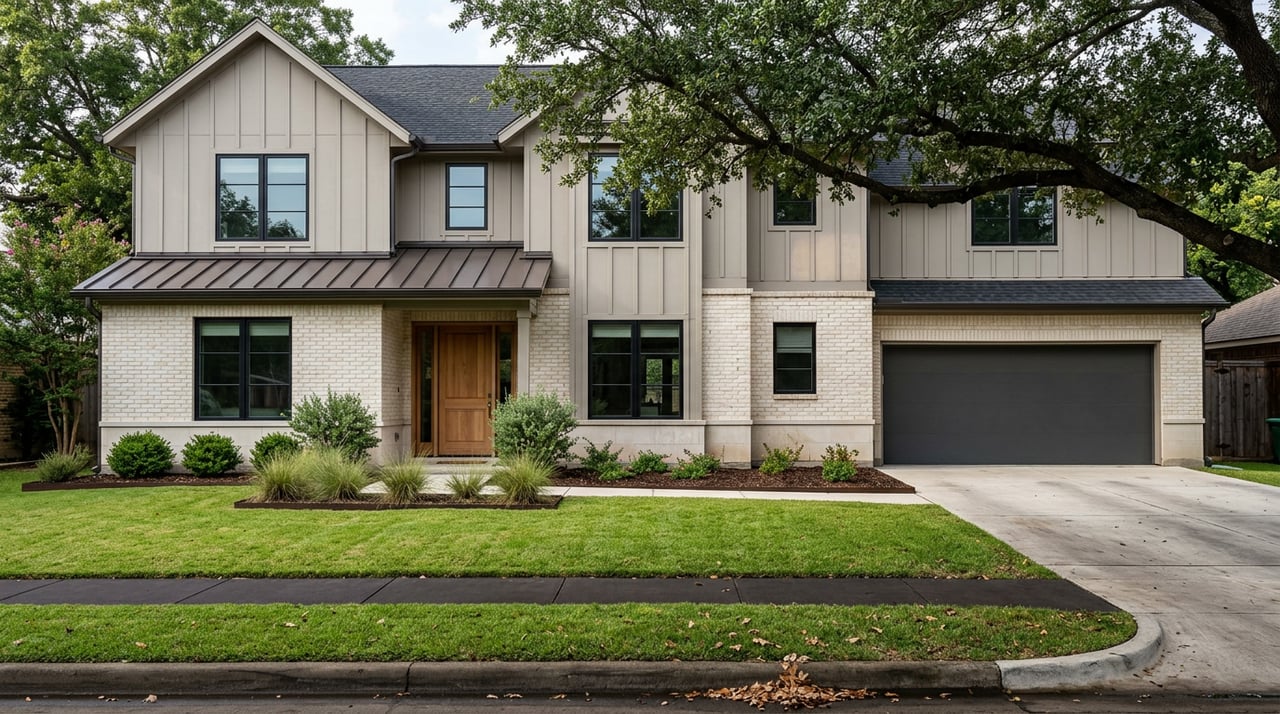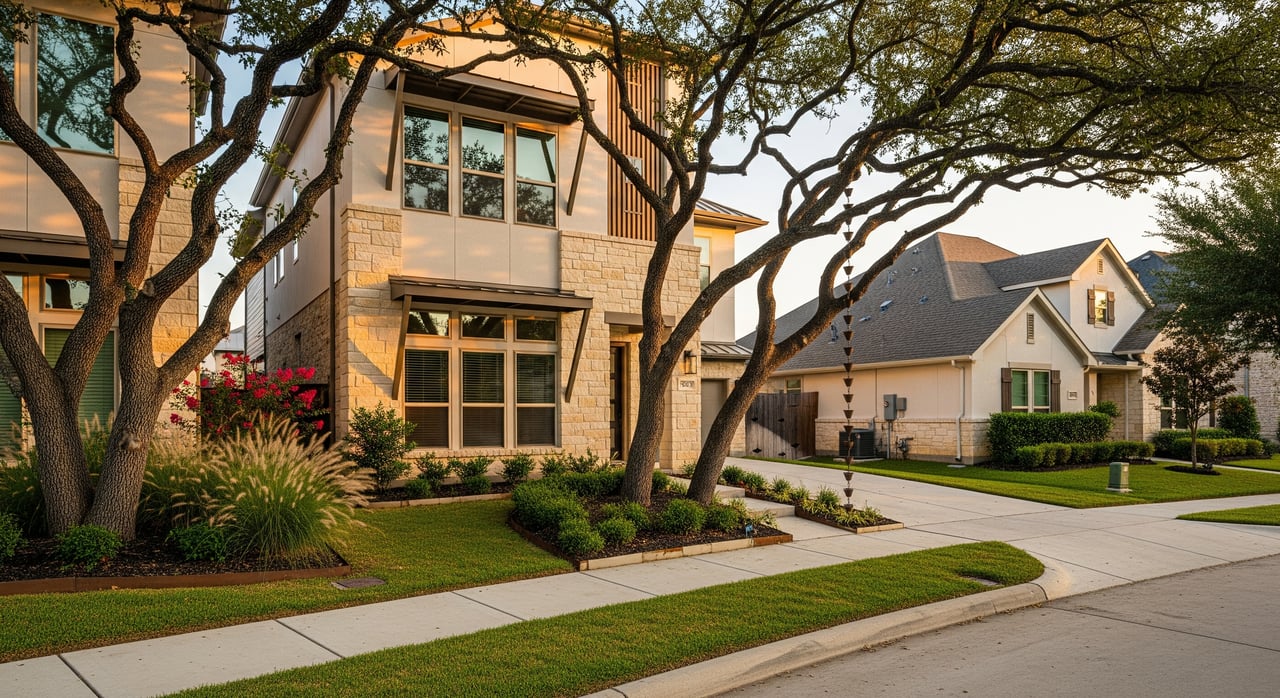
Trying to choose between a townhome and a single-family home in Plano? You are not alone. Many buyers here want an easy commute, low-stress maintenance, and strong resale potential. In this guide, you will see how each option stacks up on maintenance, HOA rules, yards, privacy, parking, and resale so you can buy with confidence. Let’s dive in.
Plano market snapshot
Plano sits in the Dallas–Plano–Irving corridor in Collin County, with major job centers, master-planned communities, and a wide mix of housing. Newer employment hubs like Legacy and Legacy West have increased demand for homes close to work and amenities. That has boosted interest in lower-maintenance townhomes while single-family homes remain popular for buyers who want a yard and more space.
This location dynamic matters for resale. Homes that match nearby workers’ needs often move faster. Townhomes near employment and walkable amenities can see strong demand from single professionals, small households, and downsizers. Single-family homes tend to attract a broader buyer base, especially households prioritizing yard space and school zones.
In Texas, you will interact with county and city entities for taxes, valuation, and permits. Collin County Appraisal District handles property valuations. City of Plano manages permits and zoning. For attached communities, HOA rules are governed by the Texas Property Code, and HOA disclosures are required at resale.
Maintenance differences at a glance
Single-family owners typically handle everything inside and out. Townhome owners share responsibilities with the HOA, which can reduce routine upkeep but adds HOA oversight and fees. Always confirm the exact split in the HOA declaration and maintenance policy.
| Category | Townhome | Single-family |
|---|---|---|
| Roof and exterior | Often HOA responsibility for roofs, gutters, siding, and sometimes façades. Verify in documents. | Owner replaces roof and handles all exterior repairs. |
| HVAC and mechanicals | Typically owner responsibility for unit systems. Rare exceptions exist. | Owner responsibility. |
| Pest and termite | Owner usually covers interior; HOA may handle common areas. Confirm scope. | Owner responsibility for prevention and treatment. |
| Foundation | Owner should budget for inspections and maintenance; HOA may cover common elements only. | Owner responsibility for slab care and any repairs. |
| Landscaping | HOA often maintains common areas; small private patios or yards may be owner care. | Owner maintains entire yard and irrigation. |
| Utilities and exterior systems | Some shared systems, like irrigation and exterior lighting, may be under HOA. | Owner manages all utilities and exterior systems. |
| Reserves and assessments | HOA should fund reserves for capital repairs; underfunding can trigger special assessments. | Owner absorbs capital costs directly. |
Bottom line: townhomes can cut day-to-day chores and some big-ticket exterior costs, while single-family homes give you full control over timing, materials, and upgrades.
Insurance and monthly costs
Insurance works differently by property type. For single-family homes, you will carry a standard HO-3 policy that covers the structure and your belongings. For townhomes, your personal policy must fit the HOA’s master policy.
Ask whether the HOA master policy is “bare walls” or “walls-in,” what it covers on roofs and exteriors, and how deductibles are allocated when there is a claim. You want a clear insurance summary and the master policy declarations page. Your lender may also ask for these.
When you compare monthly carrying costs, look at the complete picture:
- Townhome: mortgage, property taxes, HOA fees, owner policy that complements the master policy, and a modest maintenance reserve.
- Single-family: mortgage, property taxes, owner policy for the structure and contents, and a larger maintenance reserve for roof, exterior, and yard.
HOA scope and what to review
HOA rules shape lifestyle, maintenance, and resale. Before you make an offer on a townhome, request the current HOA package and review it carefully. Key items include:
- Declaration and CC&Rs, plus bylaws. Defines owner versus HOA maintenance, architectural control, leasing and pet policies, parking, and alteration rules.
- Annual budget, financials, and any reserve study. Shows whether reserves can cover roof and exterior projects without special assessments.
- Recent meeting minutes. Reveals current issues like roof leaks, litigation, or planned capital projects.
- Litigation disclosures. Active lawsuits can impact assessments and financing.
- Rules and design guidelines. Clarifies exterior change limits and landscaping standards.
- Insurance summary and master policy declarations page. Confirms what the HOA covers and your deductible exposure.
- Fee history and upcoming assessments. Identifies trends in dues and any near-term cost increases.
Watch for red flags like thin reserves, frequent special assessments, ongoing litigation, rigid guest parking or towing policies, and strict rental caps that limit the investor buyer pool. These can affect both your lifestyle and your future resale.
Yard, privacy, and parking tradeoffs
Single-family homes generally offer larger private yards. That means room for pets, gardening, storage, and outdoor projects, with freedom to customize. Townhomes typically provide a small patio or limited private outdoor space, with shared green areas maintained by the HOA.
Privacy is another key difference. Townhomes share walls and sometimes floors, so sound transfer is possible. Newer Plano townhomes may include modern soundproofing, but performance varies by construction type. Single-family homes provide more separation and fencing options, which can reduce noise and sightlines.
Parking setups also differ. Single-family homes usually have driveways and garages with easier guest parking. Townhomes often include a single or tandem garage, with guest spaces or street parking managed by HOA rules. Be sure to check visitor policies, street parking restrictions, and tow practices if you host guests or work from home.
Resale and demand in Plano
Buyer pools behave differently by product type. Townhomes tend to attract first-time buyers, young professionals, downsizers, and sometimes investors where leasing is allowed. This pool grows near major employment and retail corridors where commute convenience and low maintenance are top priorities.
Single-family homes appeal broadly to households that value space, yards, and flexible use of the property. Over time, land value and lot size can be important drivers of appreciation. While single-family homes often show strong absolute appreciation, townhomes in high-demand, infill, or transit-adjacent areas can outperform when convenience and scarcity drive bids.
If you are evaluating resale speed, consider how the property fits its micro-location. A townhome near Legacy West or the US 75 corridor may see faster activity among nearby workers. A single-family home in a stable Plano neighborhood can be resilient, especially for buyers focused on yard space and school zones.
Financing considerations
Financing is straightforward for most single-family homes using conventional, FHA, VA, or other common loan programs. For townhomes, the structure matters. If the project is a planned unit development with each unit on its own lot, some lenders treat it like a single-family purchase.
If it is a condominium form of ownership, your lender may require project approval for certain loan types. Always ask your lender early about the project’s status and whether there are any limitations that could affect loan options or future buyer pools.
Who each option fits
Use these profiles as a starting point, then layer in your needs and the exact property.
- Young professional or commuter near Legacy or US 75 who values convenience and low upkeep: townhome often fits best.
- Small household that wants a yard, space for pets or play, and flexibility to change the property: single-family home often fits best.
- Empty nester who wants to downsize maintenance and live near restaurants and shopping: townhome often fits best.
- Investor evaluating rental yield where leasing is allowed by the HOA: townhome can work, but confirm leasing rules and run the numbers.
- Buyer focused on long-term land value and high control over renovations: single-family is typically the better match.
Quick decision checklist
- Clarify your top priorities: commute time, maintenance level, outdoor space, privacy, parking, and renovation flexibility.
- Compare total monthly costs, not just the price: mortgage, taxes, insurance, HOA dues if any, and a realistic maintenance reserve.
- For townhomes, obtain and review the full HOA package: CC&Rs, bylaws, budget, reserve study, minutes, insurance summary, fee history, and any pending assessments.
- For single-family homes, factor in roof age, exterior condition, foundation health, drainage, and yard upkeep.
- Ask your lender how the townhome project is classified and whether any condo-style approvals are needed.
- Evaluate the micro-location for resale: proximity to employment corridors and amenities for townhomes, and lot, layout, and neighborhood stability for single-family.
- Check parking and guest rules in townhomes, and verify on-site parking capacity for single-family.
Final thoughts
There is no one-size-fits-all answer. In Plano, your best choice depends on lifestyle balance and the specifics of the property and location. If low maintenance and commute convenience outweigh yard and renovation freedom, a townhome may serve you well. If you want more control, outdoor space, and a broader buyer pool over time, a single-family home may be the smarter play.
If you want a local, side-by-side comparison tailored to your budget and commute, we are here to help. Get pricing trends, HOA and insurance reviews, and a clear cost breakdown so you can buy with confidence. Connect with Tony Nuncio to Get Your Instant Home Valuation or Schedule a Free Consultation.
FAQs
What maintenance does a Plano townhome HOA typically cover?
- Many HOAs handle exterior elements like roofs, gutters, siding, and common-area landscaping, but you should confirm the exact scope in the declaration and maintenance policy.
How do HOA reserves and special assessments affect resale in Plano?
- Strong reserves reduce the risk of special assessments, which supports predictable ownership costs and buyer confidence, while thin reserves and frequent assessments can slow resale.
What insurance do you need for a townhome in Collin County?
- You will need a personal policy that complements the HOA master policy, so verify whether the master policy is bare walls or walls-in and understand any shared deductibles.
Are Plano townhomes harder to finance than single-family homes?
- It depends on project structure; PUD townhomes can be financed like single-family, while condominium-form projects may require lender project approvals for certain loan types.
How does proximity to Legacy West or US 75 affect resale?
- Townhomes near major employment corridors can see stronger demand from nearby workers, while single-family homes with lot value and yard space attract a broad buyer base across cycles.