Picture your weekday starting with a quick walk or short drive to school, a smooth hop onto the Dallas North Tollway, and an evening at the neighborhood pool before a weekend match at Toyota Stadium. If you are exploring Frisco’s master-planned communities, you are likely juggling schools, commutes, sports, and budget. You want a clear view of what daily life feels like, not just a list of features. This guide breaks down how these neighborhoods work day to day so you can imagine your routine and choose with confidence. Let’s dive in.
What a typical weekday feels like
In many Frisco master-planned communities, mornings start close to home. Elementary schools are often inside or next to the neighborhood, so drop-off can be a short walk or a 5-minute drive. If you commute, you will likely use the Dallas North Tollway, Preston Road, or Sam Rayburn Tollway to reach jobs in Plano, Dallas, or nearby corporate hubs.
Afternoons often revolve around youth activities. You will find swim practice, club soccer, or music lessons several times a week. Evenings bring a return to community amenities, from playgrounds and trails to neighborhood events, with weekend outings to The Star, Stonebriar Centre, Frisco Square, or a local museum or ballgame.
Neighborhood amenities you use often
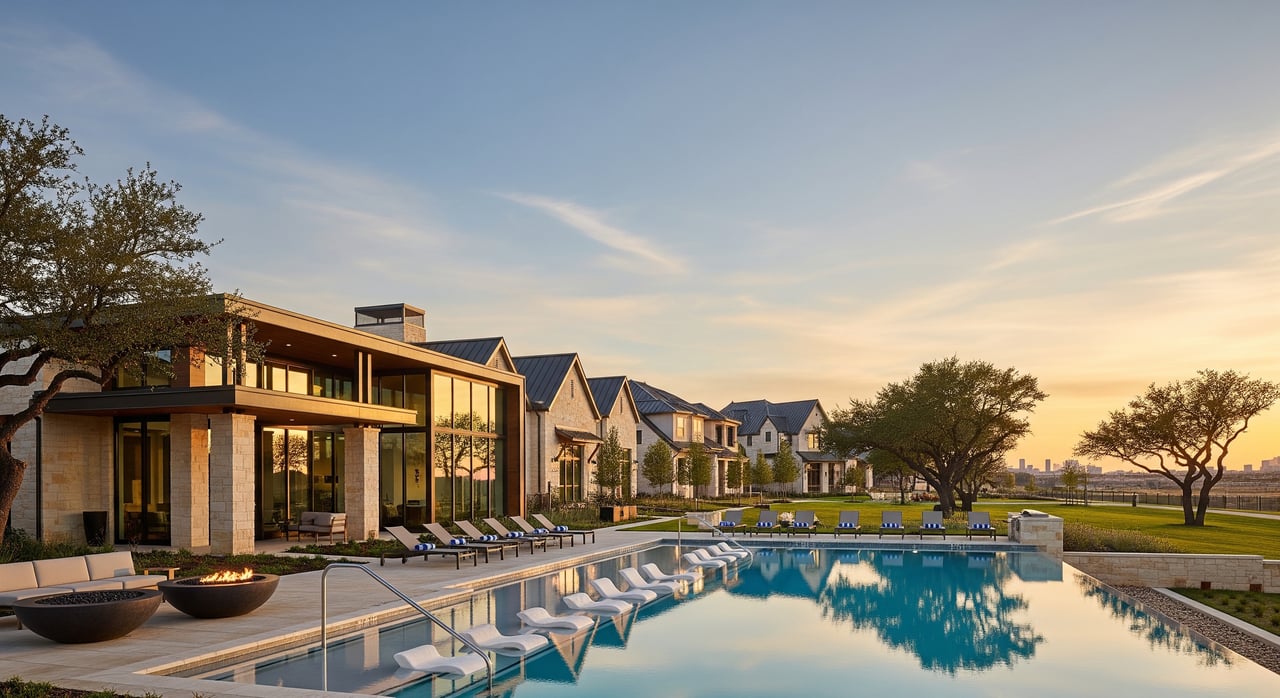
Master-planned communities in Frisco are designed around convenience and connection. You can expect:
- Amenity centers with pools, fitness rooms, and event spaces.
- Playgrounds, pocket parks, and sports fields for daily play.
- Trails and greenbelts that link homes to parks and schools.
- Community programming such as holiday events, youth activities, and swim teams.
HOAs typically maintain common areas and amenities. Monthly or quarterly dues are common. Ask how dues are allocated, which amenities are included, and what design standards apply to exterior changes.
Parks, trails, and outdoor time
If you enjoy the outdoors, Frisco’s park and trail network makes it easy to get outside. Many neighborhoods connect to city trails, which can link you to larger parks, schools, and nearby shopping. Greenbelts and pocket parks are common inside master plans, which keeps playground time and bike rides close to home.
Youth sports are part of the local rhythm. Families often manage practice and tournament schedules for soccer, baseball, football, lacrosse, and more. On non-practice evenings, you may find yourself walking the dog along a greenway, catching sunset at a pocket park, or meeting neighbors at the community pool.
Schools, routines, and youth programs
Frisco Independent School District serves most of the city and is a focal point for many buyers. District programs include STEM, athletics, and fine arts, and campuses are a hub for weekly schedules and activities. Many master plans include on-site or adjacent elementary schools, which helps shorten daily travel for the youngest students.
Middle and high school attendance zones can cover wider areas, so afternoon logistics may include a short drive for pickup or practices. Private preschools, daycare, tutoring, and enrichment centers are common near major retail nodes and inside larger communities. Always confirm current attendance zones with the district, since boundaries can change.
Shopping, dining, and weekend fun
Frisco’s entertainment and retail options make weekends full but close to home. The Star and The Ford Center host sports events and family-friendly programming, plus dining and outdoor public spaces for evening meetups. Toyota Stadium, home of FC Dallas, brings concerts and matches that draw crowds.
For shopping and dining, Stonebriar Centre anchors a wide mix of national retailers and restaurants. Frisco Square and other mixed-use areas host farmers markets and community events. For unique outings, the National Videogame Museum offers a fun family stop, and minor league baseball with the Frisco RoughRiders brings a classic ballpark night.
Commute and mobility realities
Most families rely on personal vehicles for daily mobility. Expect your routes to center on:
- Dallas North Tollway for southbound trips to Plano and Dallas.
- Preston Road (SH 289) for north-south access and local errands.
- U.S. 380 for east-west travel in northern Frisco.
- Sam Rayburn Tollway (SH 121) for connections across the region.
Peak periods can create congestion, especially along the Tollway and major east-west routes. Regional transit projects, including commuter rail initiatives, are in planning or construction and may shape future options, but timelines vary. When comparing neighborhoods, test your commute during the times you actually travel.
Home types, costs, and HOAs
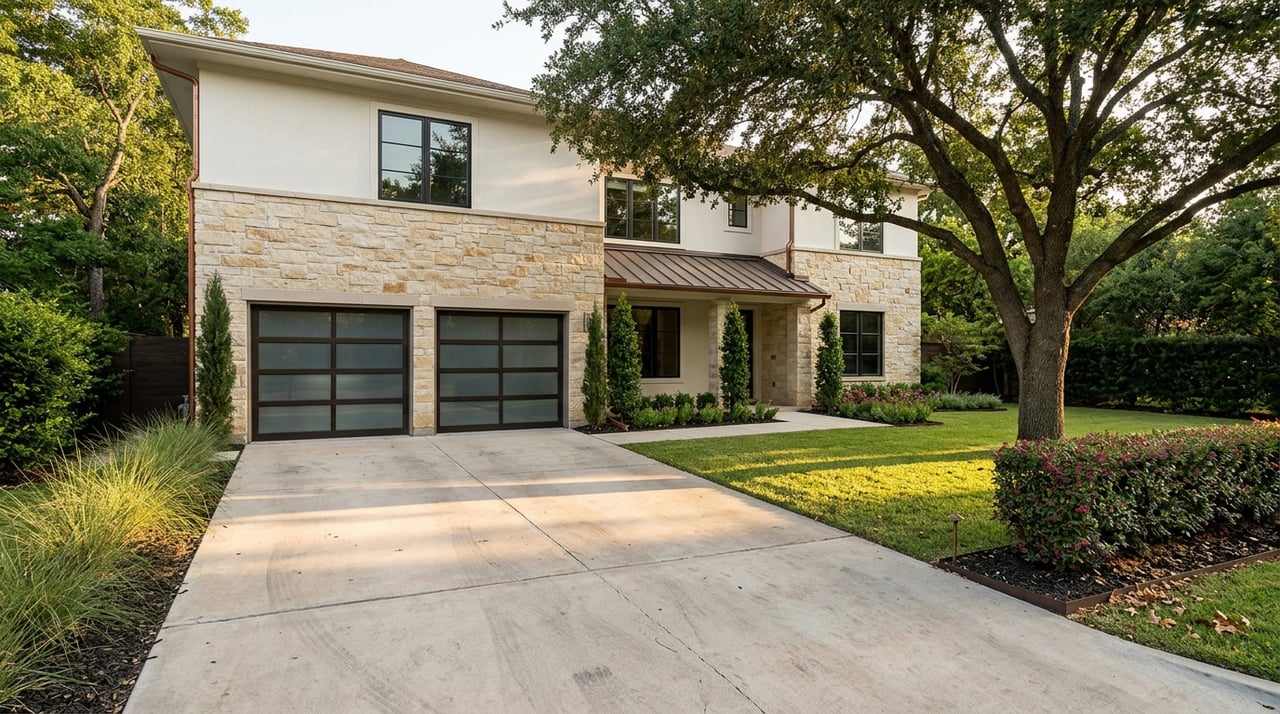
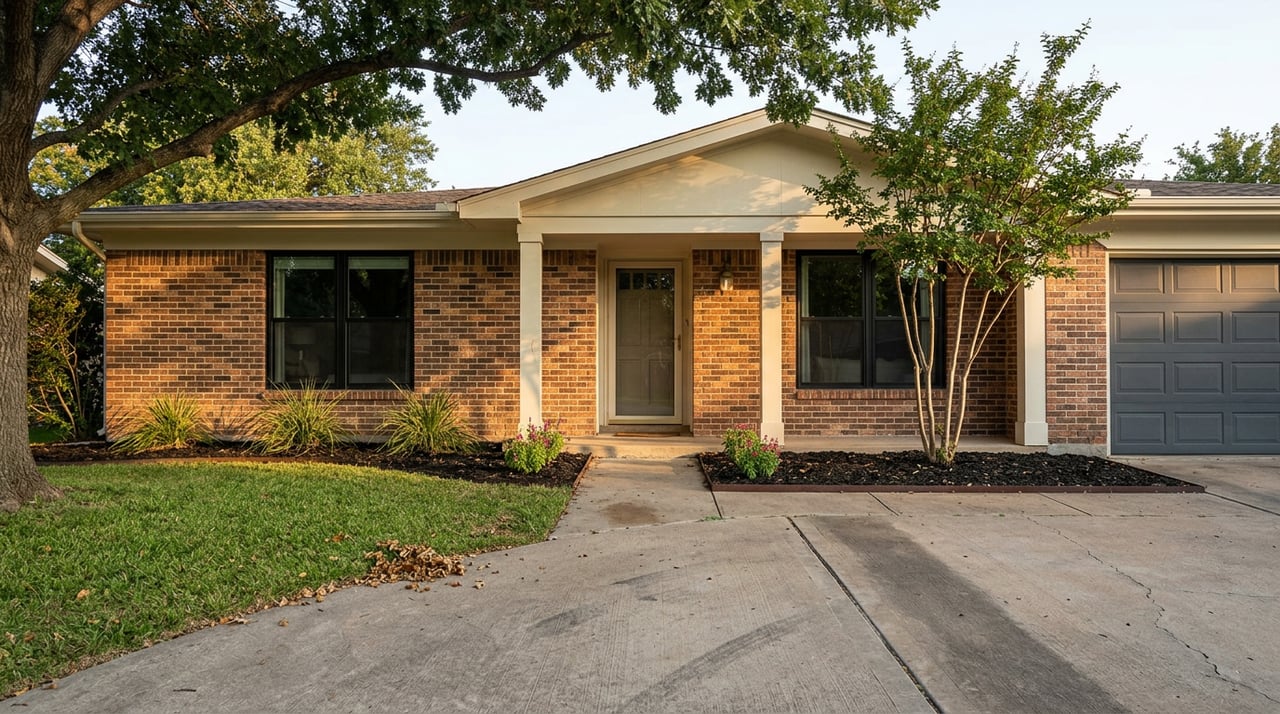
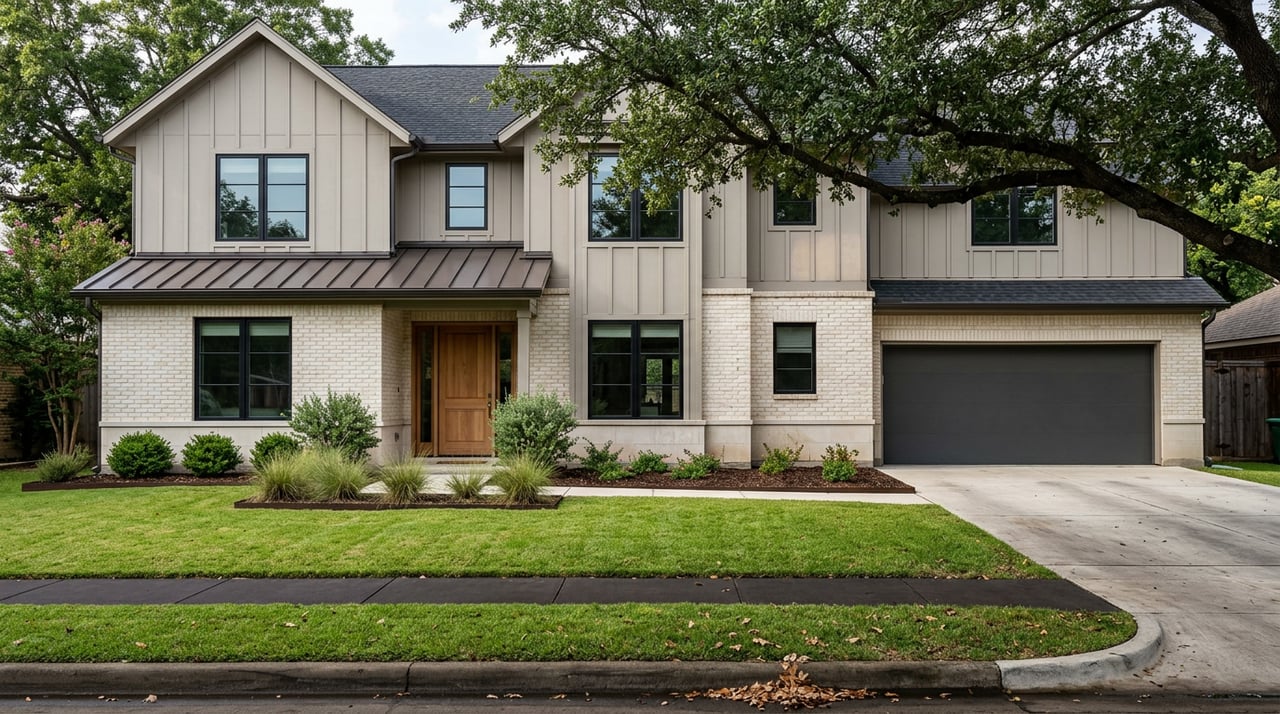
Frisco’s master-planned communities lean toward newer single-family homes with family-sized floorplans, plus some townhomes in select mixed-use areas. Many buyers prioritize extra bedrooms, flexible office space, and open living areas that support busy routines.
Property taxes are a key part of your monthly costs in Texas. In Frisco, total bills typically include city, county, school district, and sometimes special districts. Most master plans also have HOA dues that fund the pool, parks, trails, and common-area upkeep. Build both taxes and HOA assessments into your budget to avoid surprises.
Resale value often tracks with proximity to schools, access to parks and trails, and closeness to major nodes such as The Star, Stonebriar Centre, and the Dallas North Tollway. Newer phases and prime lot locations inside a master plan can command a premium, especially if they are near an on-site school or amenity center.
Lifestyle tradeoffs to consider
You will likely weigh these common tradeoffs:
- Newer construction and amenities versus an older home in an established area.
- Larger yards or lower taxes farther out versus shorter drives and more walkable amenities closer to Frisco’s core.
- Proximity to entertainment centers and events versus occasional weekend traffic around venues.
Make a short list of what matters most to you. Many families prioritize school proximity, trails, and pools, along with a practical commute. Decide where you are flexible and where you are not.
A quick neighborhood micro-scene
Imagine a weekday in a typical master-planned community. You walk a second grader to the on-site elementary school, then take the Tollway to work. At lunch, your partner handles daycare pickup nearby. Late afternoon is soccer practice at the neighborhood field. Dinner is a simple stop near Stonebriar, followed by a loop on the greenbelt. Saturday brings a match at Toyota Stadium, and Sunday’s plan is pool time and a bike ride to a pocket park.
Smart checklist for tours
Use this checklist during showings and neighborhood drives:
- School access: walking routes to the elementary school and current attendance zones.
- HOA specifics: dues amount, what is covered, and any planned amenity updates.
- Parks and trails: distance to the nearest playground, field, and trail connection.
- Commute test: time your route on a typical morning and evening.
- Weekend traffic: consider how events at The Star or Toyota Stadium may affect nearby streets.
- Daily needs: nearest grocery, pharmacy, pediatrician, and urgent care.
- Home layout: bedroom count, a quiet office option, and storage for sports gear.
How we help you choose
You have a lot of great options in Frisco. Choosing the right fit comes down to the details that shape your day. Our team pairs deep local experience with a clear, step-by-step approach, from mapping schools and commute routes to assessing HOA budgets and amenity access. We help you compare neighborhoods on the factors that matter to your family, then negotiate the right home with confidence.
Ready to explore Frisco’s master-planned communities with a local advisor who understands your routine, your budget, and your goals? Connect with Tony Nuncio to get started.
FAQs
What defines a Frisco master-planned community?
- A coordinated residential area with homes, trails, parks, and shared amenities such as pools and playgrounds, often paired with nearby schools and retail for day-to-day convenience.
How are public schools assigned in Frisco ISD?
- Most homes are zoned to specific campuses by attendance boundaries; always confirm current zones with the district since boundaries can change over time.
What do typical HOA dues cover in these neighborhoods?
- Dues often fund the community pool, parks, trails, amenity centers, and common-area maintenance; ask for details on services, reserves, and any planned improvements.
Will events at The Star or Toyota Stadium affect daily life?
- Large events can create periodic traffic spikes near those venues, which some residents plan around; many families also enjoy the walkable access to games and programming.
Is public transit a realistic option for daily commuting in Frisco?
- Local transit coverage is limited compared with inner-city areas, so most families rely on personal vehicles; regional rail projects are in progress, but timelines vary.
What ongoing costs should I budget beyond the mortgage?
- Plan for property taxes that include city, county, school district, and possible special districts, plus HOA assessments that support neighborhood amenities and upkeep.