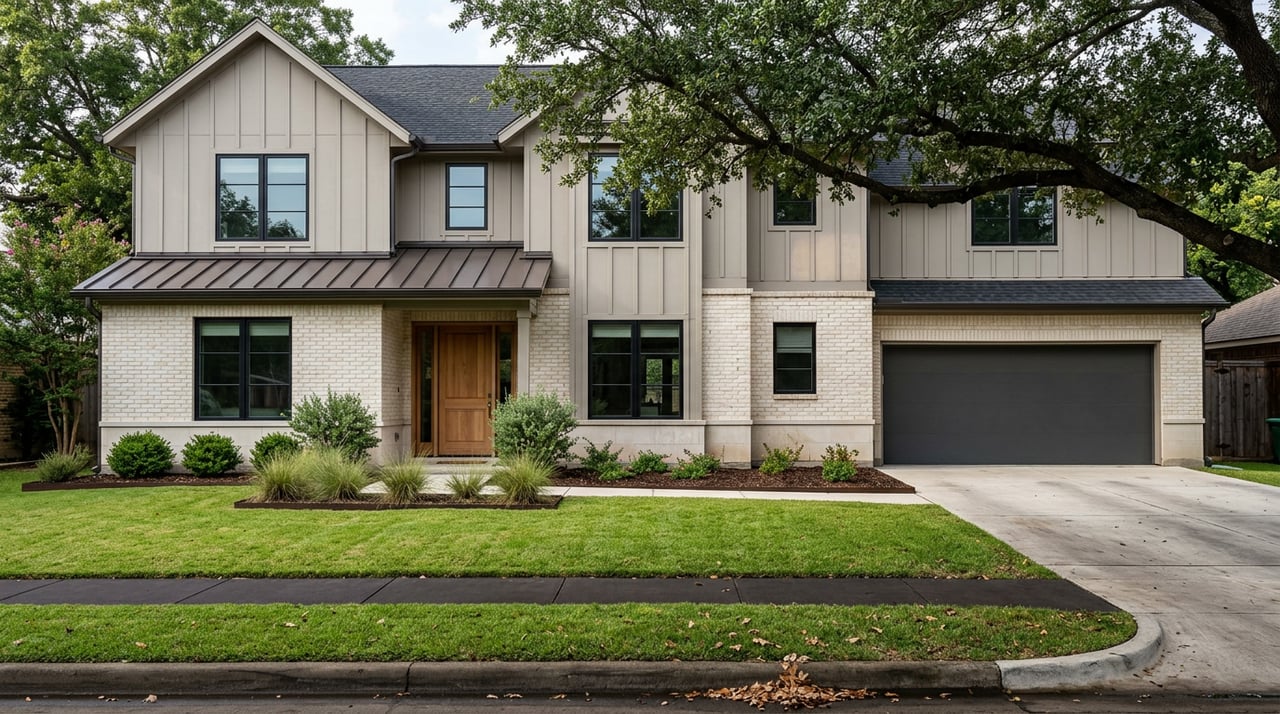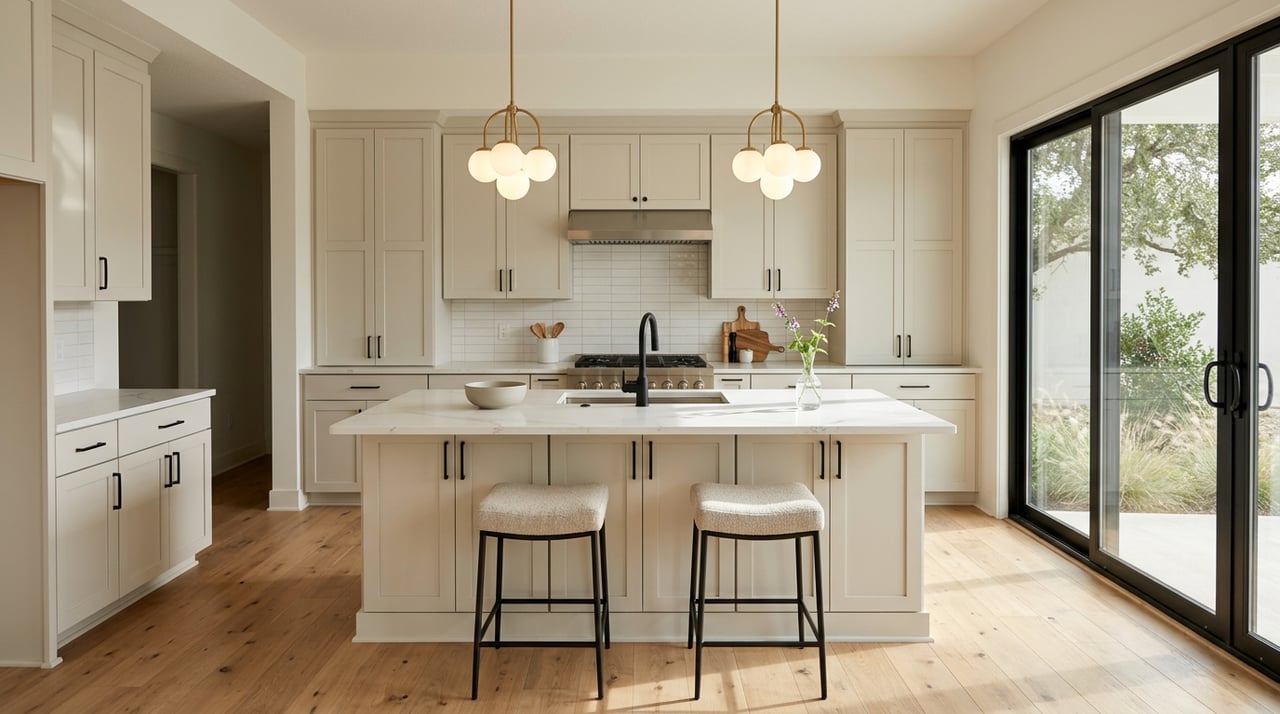
Dreaming of a brand-new home with more space and modern finishes, yet still close to Dallas? Midlothian is one of the fastest-growing spots in southern DFW, and for good reason. You get master-planned amenities, a range of floor plans, and price points that can feel more accessible than many northern suburbs. In this guide, you’ll learn where to shop, what your true monthly costs look like, how timelines work, and the smart questions to ask before you sign. Let’s dive in.
Why Midlothian new builds are booming
Midlothian sits along the US 67 and US 287 corridors, about 25 to 35 miles from the Dallas core depending on route. Community sites commonly cite roughly 30 to 40 miles to DFW Airport. Many buyers accept a longer drive for larger lots and newer homes, and the average one-way commute for residents is about 31.8 minutes. If you work hybrid or remote, the space and value can be compelling.
The city is adding homes across multiple master-planned communities. Builders offer products starting in the low to mid 300s for some series and moving into the 500s and above for larger lots and amenity tiers. You’ll see national names alongside established regional builders, which helps keep options and incentives competitive.
Where to shop: top communities
Redden Farms
A large, multi-phase master plan with resort-style amenities and planned neighborhoods, including a 55+ product. Active builders include David Weekley and Impression among others, with series starting roughly in the mid 300s to 500s depending on lot and plan. Explore community details on the Redden Farms site.
BridgeWater
Amenity-focused living with pools and trails and multiple builders. Listings in this community have shown HOA examples around the mid-hundreds per year. Always verify current dues with the HOA disclosure.
Westside Preserve
A newer community with production-style homes and typical lot widths in the 45 to 60 foot range. Expect multiple plan series and design-center options.
Hayes Crossing
Neighborhood setting with a mix of product types and builder lines. Ask about which phases are open, any quick-move-in inventory, and current incentives.
MidTowne
Established feel with sidewalks and community spaces. Check current builder offerings and any custom or semi-custom opportunities.
Lakeview Pointe (D.R. Horton)
Production homes with access to nearby outdoor recreation. Lot sizes vary by series; confirm HOA and any special district assessments.
For current builder lists and starting prices by community, check NewHomeSource’s Midlothian page. Pricing and incentives change frequently, so confirm everything in writing.
What your true monthly cost includes
New construction pricing often starts with a base plan, then adds lot premiums, design selections, and community costs. Build a full budget so you know the true payment.
Property taxes: how to estimate
Your total tax rate is the sum of several entities. Recent adopted rates show the City of Midlothian at $0.6500 per $100 of value, Midlothian ISD at $1.0708 per $100, and Ellis County near $0.2725 per $100. Together, that baseline is about $1.99 per $100 of assessed value before other overlapping entities. Review the city’s budget tax summary, the MISD tax info, and Ellis County’s budget pages.
Many new neighborhoods also sit inside special districts.
- MUD or PID: A Municipal Utility District or Public Improvement District can add a separate assessment, sometimes several tenths of a dollar. Some districts can approach 0.90 per $100 in early years depending on debt. Always get the district name and rate history, then review official filings. A regional filing example shows how a district’s debt service can impact taxes; see the TCEQ district document example.
Sample tax math
- Example assessed value: $460,000
- Baseline combined rate (city + school + county) ≈ 1.99%
- Estimated annual tax without MUD/PID: $460,000 × 0.0199 ≈ $9,154 (about $763/month)
- If a MUD added 0.90%, the total would be about 2.89%: $460,000 × 0.0289 ≈ $13,294 (about $1,108/month)
These are illustrations. Your actual bill depends on your exact parcel, exemptions, overlapping entities, and district rates. Always verify with the title company and the appraisal district before you commit.
HOA, lot premiums, and upgrades
- HOA dues: Master-planned communities in Midlothian often run in the mid-hundreds to low-thousands per year depending on amenities. Many examples land around $750 per year. Confirm current dues and reserve funding in the HOA documents.
- Lot premiums: Production builders often add $5,000 to $25,000 for corners, cul-de-sacs, larger yards, or greenbelt adjacency. Premiums on standout lots can be higher. Get the premium and what it includes in writing.
- Design-center selections: Builder allowances for flooring, lighting, and kitchen finishes can run below what many buyers prefer. Ask for line-item allowances, and consider a negotiated design credit.
Insurance and utilities
Plan for homeowners insurance and utility costs. If the home is in a MUD, confirm connection fees and monthly utility rates. Ask the builder and title team for a recent ownership and operating estimate for a similar plan.
Build paths and timelines
- Quick move-in (spec): Often closes on a standard purchase timeline, typically 30 to 60 days depending on lender and title.
- To-be-built production: Commonly 4 to 8 months, depending on site readiness, weather, and materials.
- Custom or semi-custom: Frequently 10 to 16+ months with more design and permitting steps.
Get the builder’s target completion date in writing, plus remedies if the schedule slips beyond a defined window.
Financing basics for new builds
Most production builds use a standard purchase mortgage at closing. If you are building custom or buying a lot-plus-build package, you may need a construction loan or a construction-to-permanent option. The CFPB’s guide to construction loans explains interest-only draws during construction and how conversion to a permanent loan works. If a builder offers incentives for using a preferred lender, have your mortgage advisor compare the total cost and credits to your best outside quote.
Warranties and must-do inspections
Most new homes follow a 1-2-10 warranty pattern: 1 year workmanship, 2 years systems distribution, and 10 years limited structural coverage. Many builders back the structural portion with an insurance-backed program. Review what is covered and whether it transfers. Learn more about typical coverage in this 2-10 HBW overview.
Best practice: schedule third-party inspections at key phases if allowed, then plan an independent “11-month inspection” to capture punch-list items before year-one coverage ends. See a builder’s warranty guide on timing and claims best practices here.
Buyer checklist: questions to ask first
Use this as your quick-reference before you sign a builder contract.
Before you sign
- What is included in the base price and what counts as an option? Ask for a written inclusions list by room and system.
- What is the exact lot premium and what does it cover? Clarify refunds if the lot cannot be delivered.
- Is the lot inside a MUD or PID? Request the district name, the adopted rate, and projected debt-service table. A regulatory filing example is available from TCEQ.
- Which taxing entities apply to this lot? Ask for a sample bill or a projected tax statement. You can cross-reference city, school, and county documents at the City of Midlothian, MISD, and Ellis County.
- What is the structural warranty and is it insurance-backed and transferable? Request the warranty booklet and claim steps in writing.
- Who represents you? Builder sales reps work for the builder. Retain a buyer’s agent to advocate for your interests and review the contract.
Contract and money points
- Earnest money and option deposits: Are they refundable, and under what conditions? What is the remedy if completion is delayed?
- Design-center allowances: Request realistic allowances by category, plus a written credit or cap to control overages.
- Change orders: Get pricing method, timelines, and written estimates before work begins.
During construction
- Inspection access: Ask for pre-pour, pre-drywall, and final walkthrough access. Document all items with photos and dates.
- Drainage and soils: Confirm the grading plan, downspout placement, and any soil mitigation steps common for North Texas clays.
Before closing
- Final closing statement: Verify that lot premiums, upgrade credits, lender buydowns, and builder-paid costs are correctly listed.
- HOA documents: Read covenants, restrictions, rental rules, and maintenance obligations. Confirm dues and transfer fees.
After move-in
- Warranty follow-through: Schedule an independent 11-month inspection, submit claims through the builder portal, and retain time-stamped records.
Smart negotiation levers
- Ask for closing-cost help or a temporary interest-rate buydown rather than lots of small cosmetic upgrades.
- Request a lot-premium reduction or waiver on available inventory, or ask to convert a portion of the premium into a design credit. Confirm all concessions in writing.
Commuting and daily needs
Driving is the primary way to get around Midlothian today, and most households rely on cars for work and errands. Typical distances often cited include about 25 to 30 miles to Downtown Dallas and 30 to 35 miles to DFW Airport, depending on route and time of day. You can review an example community overview on the Redden Farms site and then test your exact commute at your usual travel time.
Ready to compare communities, incentives, and timelines with a local expert? With 20+ years in DFW and 500+ closed sales, Tony Nuncio and The Nuncio Realty Group can help you evaluate builders, decode taxes and MUDs, and negotiate the right terms for your budget.
FAQs
How do Midlothian property taxes work on new construction?
- Your bill combines city, school, county, and any overlapping entities; recent adopted rates total about 1.99% before other districts, so confirm your exact lot’s entities and any MUD or PID additions.
What is a MUD or PID in Midlothian and why does it matter?
- A MUD or PID funds infrastructure and can add a separate tax or assessment that meaningfully changes your monthly payment; get the district name and current rate projections in writing and review official filings.
What HOA fees should I expect in Midlothian master plans?
- Many communities fall in the mid-hundreds to low-thousands per year depending on amenities; budget around the $750-per-year range as a reference and verify with the HOA disclosure.
How long does it take to build a new home in Midlothian?
- Quick-move-in homes can close in 30 to 60 days, to-be-built production typically runs 4 to 8 months, and custom builds often take 10 to 16 months or longer depending on design and permitting.
Do I need inspections on a brand-new Midlothian home?
- Yes; request phase inspections if allowed and plan an independent 11-month inspection to capture warranty items before year-one coverage ends.
Where can I see current Midlothian builders and communities?
- Use NewHomeSource’s Midlothian page to scan active communities and starting prices, then confirm current incentives with each builder.